
Last updated October 30, 2026
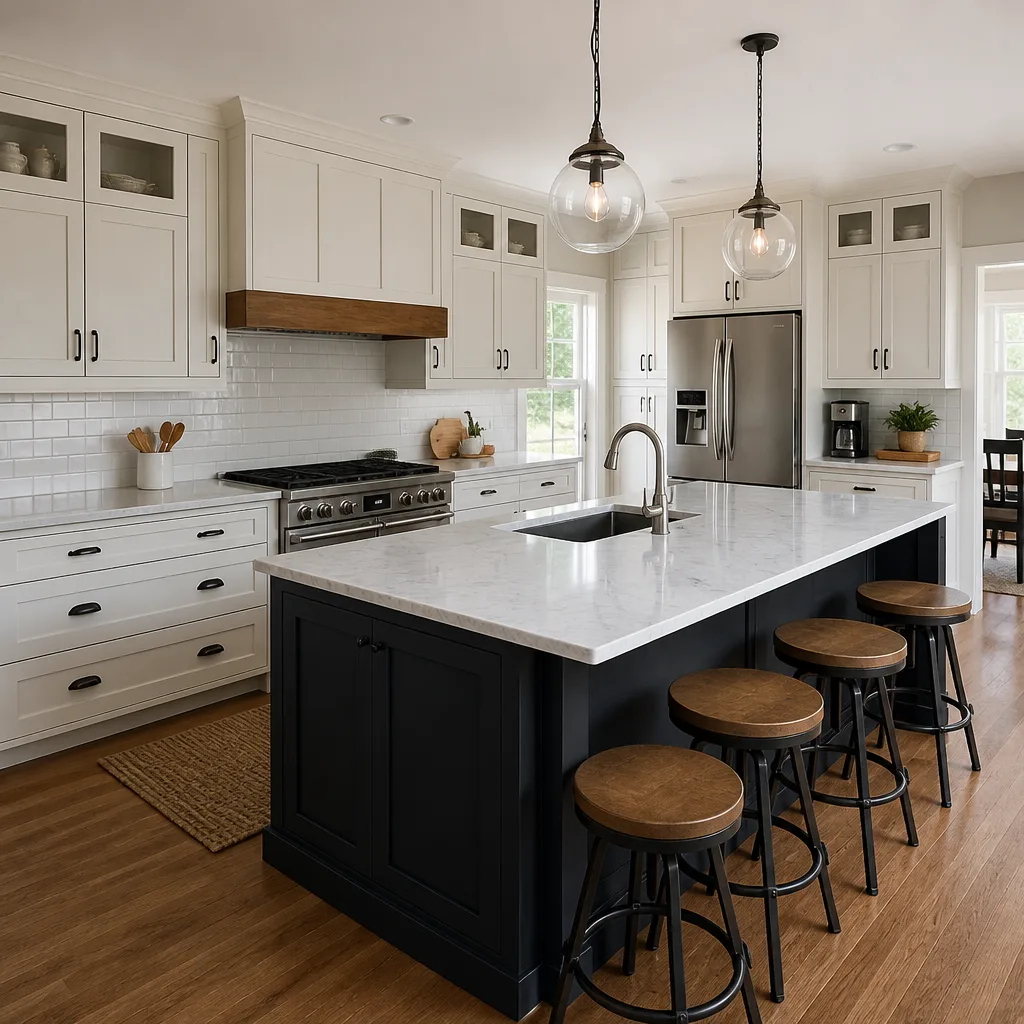 Kitchen remodeling
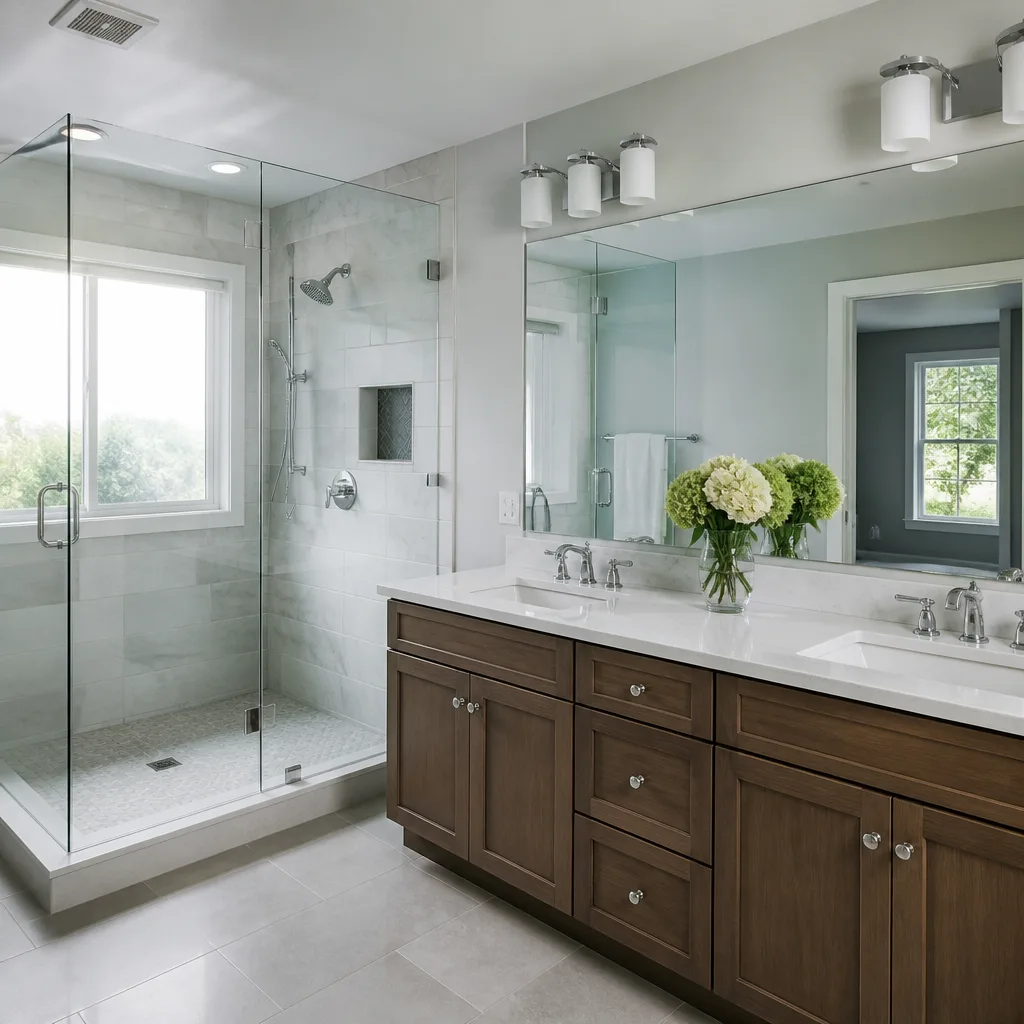 Bathroom remodeling
 Home additions & ADU
 Roofing
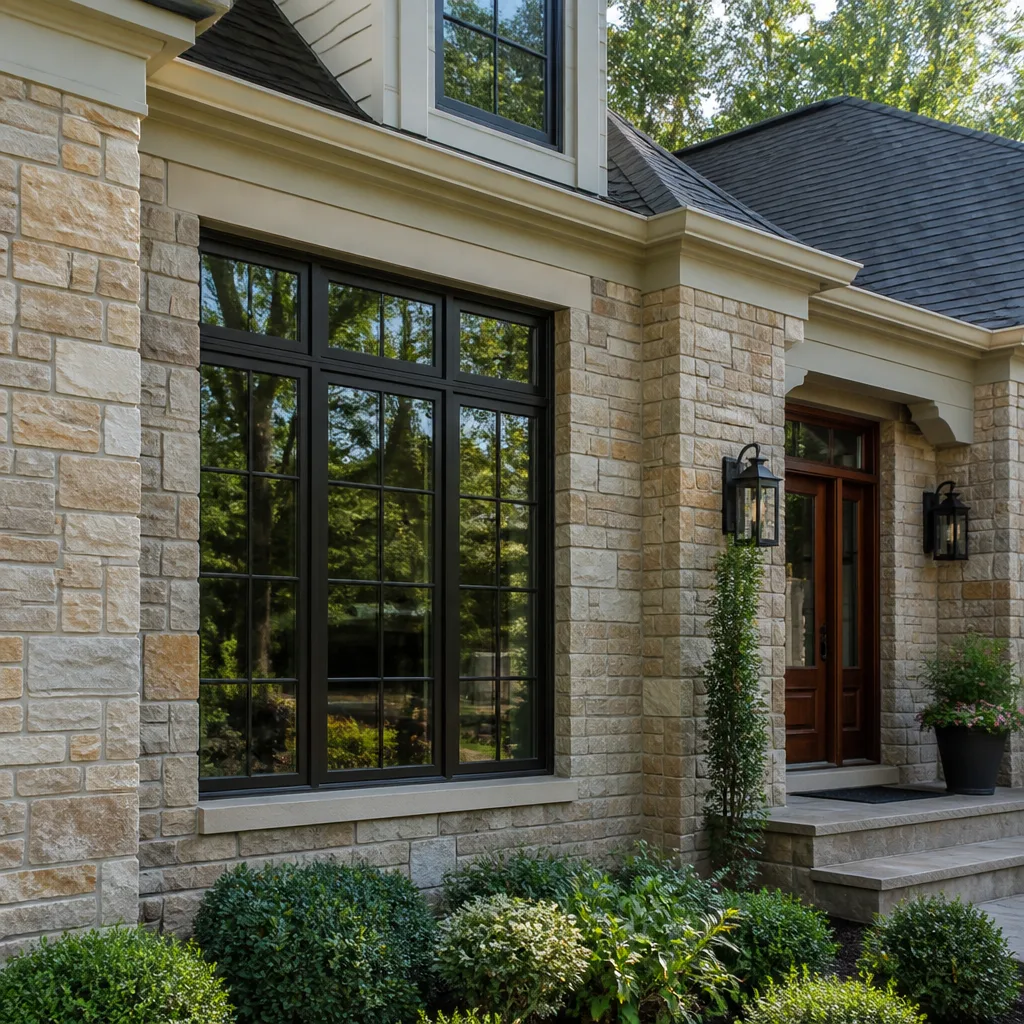 Windows & doors
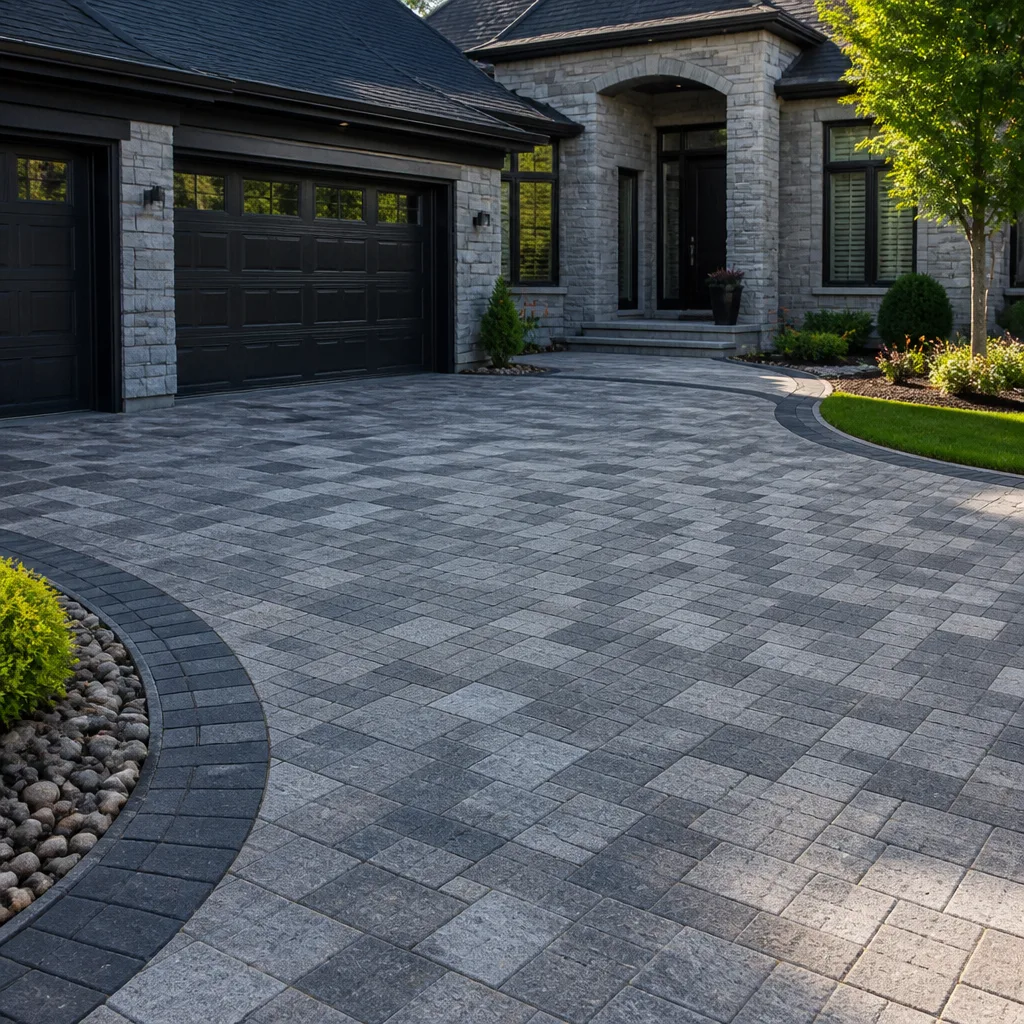 Driveway & pavers
 Fence
Free written scope consultation - allowances, timeline, and change-order rules on paper before a single trade is scheduled
Choosing the Right Construction Brand: A Buyer’s Guide for Westminster
Most Westminster homeowners choose construction brands the way they choose paint colors: in a showroom, under warm lighting, with a salesperson three feet away. That’s not a decision process. It’s an impulse with a warranty attached. The problem is that by the time a brand’s true character shows up – how it handles moisture cycling, whether its regional rep actually answers the phone, what the labor warranty covers when an installation fails – you’re three years into living with it. This guide explains how to evaluate construction brands the way a general contractor does: by warranty structure, regional service network, installer familiarity, and real Westminster performance data, not by brochure photography. You’ll learn which categories justify a premium, which ones don’t, and how to avoid paying for marketing that never shows up in your home.
Quick Answer
The right construction brand for a Westminster home is the one your contractor can warranty, source parts for locally, and install correctly on the first pass – not necessarily the one with the biggest showroom display. In Westminster’s climate, roofing brands like GAF and Owens Corning earn their premium through moisture and UV performance, while mid-tier plumbing fixtures from Moen or Delta often perform identically to premium lines for most households. The brand decision that matters most is warranty labor coverage, because a parts-only warranty on a failed window installation in Westminster still leaves you paying for the fix.
Styles & brands we work with
Table of Contents
- The Four Dimensions of a Construction Brand Decision
- What Westminster’s Climate Actually Demands from Building Materials
- Contractor-Grade vs. Builder-Grade vs. Consumer-Grade: What Those Tiers Mean
- How Contractor Brand Relationships Change What You Can Buy
- The Categories Where Premium Brands Earn Their Cost in Westminster
- Where Mid-Tier Brands Perform Identically (And the Premium Is Just Marketing)
- A Warranty Decoder for Westminster Homeowners
- Why a Single-Source Contractor Changes the Brand Math
The Four Dimensions of a Construction Brand Decision
When we evaluate a brand for a Westminster project, we don’t start with the catalog. We start with four questions that determine whether a product will still be performing – and still be serviceable – ten years after installation. Skip any one of these and you’re gambling with money you can’t recover at resale.
1. Warranty Labor Terms vs. Parts-Only Coverage
The single most overlooked difference between construction brands is what happens when a product fails. A parts warranty replaces the defective component. A labor warranty pays for the person who removes the old one and installs the new one. In Westminster, where labor rates run consistently above the national average, a parts-only warranty on a failed cabinet hinge or window latch can leave you paying $200 in labor to claim a $15 part. Brands like GAF on the roofing side and Schluter on the waterproofing side have built their reputations partly on labor-inclusive warranty programs, but the fine print varies by installer certification and registration timing. Always ask: “If this fails in year four, who pays the installer?”
2. Regional Service Network and Parts Availability
A brand can be excellent in Phoenix and invisible in Westminster. Regional service networks determine whether a warranty claim takes two weeks or two months. Brands with deep Southern California distribution – the major roofing manufacturers, James Hardie siding, national cabinetry lines like KraftMaid – maintain local reps and parts inventories that keep projects moving. Niche European brands may offer beautiful hardware but require six-to-eight-week lead times for warranty replacements because the part ships from overseas. For a Westminster homeowner living with a failed fixture, that lead time matters more than the original spec sheet.
3. Contractor Familiarity and Installation Repetition
A brand is only as good as its worst installation. Contractors develop deep familiarity with specific product lines – the quirks of a window’s flashing detail, the tolerance stack on a cabinet line’s drawer glides, the temperature range a countertop adhesive needs for a proper bond. In our experience, the brands we install most frequently are the ones we can warranty with confidence because we’ve seen them fail (and fixed them) enough times to know exactly how to avoid repeat problems. A homeowner who picks a brand their contractor has never installed is volunteering to be the practice run.
4. Resale Market Recognition in Westminster
When a Westminster appraiser or home inspector walks through your house, they’re not measuring your countertop against a spec sheet. They’re recognizing names. Brands with broad consumer recognition – GAF or Owens Corning on the roof, James Hardie on the siding, Moen or Kohler in the bathrooms – communicate “maintained and upgraded” to a buyer. Obscure or discontinued brands communicate nothing, or worse, raise questions about what else in the house was value-engineered. This doesn’t mean you should always buy the famous name. It means you should understand that the brand on your roof or in your kitchen becomes part of your home’s resale narrative in Westminster’s competitive market.
What Westminster’s Climate Actually Demands from Building Materials
Westminster sits in a specific climate band that punishes certain materials and barely tests others. The city gets roughly 13 inches of rain annually, concentrated in a short winter window, followed by long dry stretches with intense coastal-adjacent UV exposure. Marine layer mornings alternate with afternoon sun that can swing surface temperatures 40 degrees in a single day. That thermal cycling – not extreme heat or cold – is what separates durable brands from failing ones in this market.
Roofing: UV and Moisture Cycling
Asphalt shingles in Westminster fail primarily two ways: granule loss from UV exposure and sealant breakdown from repeated wet-dry cycling. Brands like GAF, CertainTeed, and Owens Corning invest heavily in UV-stabilized granules and advanced sealant chemistry because they manufacture for markets exactly like this one. The premium you pay for a major manufacturer’s architectural shingle in Westminster is buying a product engineered for thermal cycling, not just a recognizable name. Budget shingles from smaller manufacturers can perform adequately in mild climates but tend to show granule loss within 5-7 years in Westminster’s UV environment – which then accelerates moisture intrusion and shortens the roof’s service life.
Windows: Coastal Air Infiltration and Condensation
Westminster’s marine layer creates a condensation environment that cheap windows handle poorly. The morning fog that settles over the city’s western neighborhoods puts sustained moisture against window frames and sashes. Brands like PGT and Therma-Tru engineer their frame profiles and weather stripping for exactly this condition, with high air-infiltration resistance ratings and materials that don’t swell or warp with repeated moisture contact. A window that performs fine in a dry inland climate can develop condensation problems and seal failures within a few Westminster winters if the frame material and glass package aren’t specified for coastal conditions.
Cabinetry: Humidity Stability in Kitchens and Baths
Westminster kitchens don’t have to fight freezing temperatures or extreme humidity, but they do experience seasonal humidity swings – and bathrooms create their own micro-climate every time someone showers. Cabinet brands that manufacture with furniture-grade plywood boxes and moisture-resistant finishes hold their dimensions and drawer alignments through those swings. Brands like KraftMaid and Wellborn build to humidity-stability standards that prevent the swelling and cracking that show up in particle-board-heavy budget lines. We’ve seen budget cabinet boxes in Westminster bathrooms start showing edge swelling at the sink base within two years of install, while plywood-box cabinets in the same room conditions stay flat and square a decade later.
Contractor-Grade vs. Builder-Grade vs. Consumer-Grade: What Those Tiers Mean
Every major construction brand runs multiple tiers within its own catalog. The brand name on the box doesn’t tell you which tier you’re buying, and that’s where homeowners get confused – and sometimes misled. Understanding the tier system is the fastest way to avoid overpaying for a name while getting entry-level performance.
Builder-Grade: The Volume Default
Builder-grade products are what production home builders install by the thousands in new Westminster developments. They’re built to a price point, not a performance standard. A builder-grade faucet from a major brand will carry the brand name but use lighter internal components, thinner finishes, and simpler cartridge designs than the same brand’s consumer or contractor lines. Builder-grade is fine when a developer is warranty-covered for a year and then moving on. It’s usually the wrong choice for a homeowner who plans to live with the product for a decade. The tell: if a product carries a brand name with a “contractor pack” or “value series” designation, you’re looking at builder-grade.
Consumer-Grade: The Showroom Middle
Consumer-grade products are what retailers display in showrooms and what most homeowners buy when renovating. They’re built with better internals than builder-grade but carry a retail price that includes marketing, packaging, and the overhead of a retail distribution channel. Consumer-grade is often the right choice for visible, moderate-use products – a guest bathroom faucet, a laundry room sink, a hallway light fixture. The product quality is generally solid, and the brand warranty applies to the original purchaser.
Contractor-Grade: The Professional Standard
Contractor-grade products are what we specify for Westminster remodels when the product will see daily use and needs to hold up for 15-20 years. These are the same products sold through plumbing supply houses and contractor distributors, with heavier internal components, serviceable parts, and warranties that assume professional installation. A contractor-grade Grohe or Moen fixture typically uses metal internals where the consumer line uses plastic, and it comes with part-level serviceability that means a $12 cartridge replacement fixes it instead of a $400 fixture replacement. The challenge for homeowners is that many contractor-grade products aren’t available at retail – they’re only accessible through a licensed contractor with established distributor relationships.
The practical takeaway: when we’re helping a Westminster homeowner select materials, we’re usually mixing tiers deliberately. Contractor-grade for daily-use plumbing fixtures and high-traffic surfaces. Consumer-grade for secondary bathrooms and low-wear fixtures. Builder-grade almost never, except for purely cosmetic applications where replacement is trivial. The goal isn’t to maximize tier – it’s to match tier to the use case so budget goes where performance actually matters.
How Contractor Brand Relationships Change What You Can Buy
Here’s something most Westminster homeowners don’t realize: the brand selection available to you depends heavily on who’s buying the product. Retail customers see one catalog. Contractors with established distributor relationships see another one entirely – different products, different pricing, different warranty registration paths.
What Retail Buyers Can’t Access
Walk into a big-box store and you’ll see the consumer-grade tier from major brands, priced at retail, with warranties that cover parts only in most cases. You won’t see the contractor-grade versions of those same brands. You won’t see the distributor-exclusive product lines that professional remodelers specify daily. And you won’t get trade pricing, which on a full-scale Westminster remodel can run 15-25 percent below retail across the entire project. That difference on a $120,000 kitchen remodel is $18,000 to $30,000 – real money that can go into better materials or stay in the bank.
What a Single-Source GC Actually Controls
A full-scope general contractor in Westminster with active distributor accounts across multiple trades can do something a homeowner can’t: source competing brands from the same distributor, compare pricing and availability in real time, and adjust the specification when a product’s lead time or price moves. When we’re planning a Westminster home remodeling project, we typically present brand options at two or three price tiers within each category – the homeowner decides how to balance quality and budget, and we execute whatever they choose. That flexibility is the practical value of working with a contractor who maintains relationships across the full material spectrum.
Warranty Registration and Priority Service
Brand warranty programs increasingly favor professionally installed products. Many manufacturers now offer enhanced warranty terms – extended coverage, labor allowances, transferable protection – only when a product is installed by a certified or authorized contractor. A home renovation in Westminster that uses retail-purchased products often leaves warranty terms on the table that a contractor-purchased installation would have captured automatically. This is a quiet but substantial advantage of buying through a general contractor’s channel rather than sourcing products independently.
The Categories Where Premium Brands Earn Their Cost in Westminster
Some product categories have meaningful performance differences between good and better brands. Some don’t. Knowing which is which is the core skill of smart brand selection, and the answer changes by geography. Here’s where premiums genuinely pay off in Westminster homes.
Roofing: Buy Up
Westminster’s UV and moisture cycling make roofing the one category where we almost never recommend value-tier products. The three major American manufacturers – GAF, CertainTeed, and Owens Corning – all produce architectural shingles engineered for exactly this climate, with warranties that run 50 years to lifetime and, critically, include wind ratings and algae protection relevant to coastal-adjacent conditions. The price difference between a major-brand architectural shingle and a budget three-tab is roughly $150-$250 per square installed, and over a 25-year roof life in Westminster, that difference amortized to $6-$10 per month. For a product that protects everything underneath it, that’s the cheapest insurance you’ll ever buy.
Windows and Exterior Doors: Buy Up
Air infiltration in Westminster’s marine layer environment is the hidden cost of cheap windows. Budget vinyl windows with low air-tightness ratings can create condensation, drafts, and higher HVAC load in ways that show up on utility bills every month. Brands like PGT and Therma-Tru build for coastal conditions with multi-point locking, compression weather stripping, and frame materials that resist moisture swelling. When we’re replacing windows in Westminster’s older housing stock – much of it built in the 1950s through 1970s with single-pane aluminum frames – the upgrade to a performance-tier window is usually the single highest-ROI material decision in the entire remodel.
Waterproofing Systems: Buy Up, Absolutely
Schluter and similar systems-level waterproofing brands cost more upfront than traditional methods, but they solve the most expensive problem in construction: water intrusion at transitions. In Westminster bathrooms, the failure point is almost never the tile – it’s the junction between the shower pan, the walls, the drain, and the curb. Systems like Schluter’s integrate those transitions into a single waterproof assembly with a manufacturer-backed warranty that covers the system, not just individual components. When we’re doing a Westminster bathroom remodel, the waterproofing spec is where we hold the line on brand quality. The cost difference is a few hundred dollars. The failure cost is a full gut-and-redo.
Where Mid-Tier Brands Perform Identically (And the Premium Is Just Marketing)
In some categories, the performance gap between a $200 product and an $1,800 product is largely aesthetic and prestige-based. In Westminster, where the climate is relatively mild on interior finishes, this is truer than homeowners expect. Here’s where we tell clients the premium is negotiable.
Plumbing Fixtures: Mid-Tier Is Usually Enough
Moen, Delta, and American Standard manufacture fixtures that will function identically to Grohe or Kohler premium lines for the average Westminster household. The internal components are engineered to the same performance standards, and all of these brands sell replacement parts through standard distribution channels. The premium on a Grohe or high-end Kohler fixture buys design distinctiveness, finish durability on exotic materials, and brand recognition – real value if you’re designing a showpiece bathroom, but not functional value in a guest bath or powder room. We typically specify contractor-grade Moen or Delta for daily-use areas and let the budget flow to the one or two fixtures worth spending up on.
Countertops: Engineered Quartz Has Democratized Performance
Ten years ago, there were meaningful quality differences between quartz brands. Today, the manufacturing technology has matured to the point where Cambria, Silestone, and Caesarstone all produce surfaces with nearly identical durability, stain resistance, and maintenance profiles. The differences are in color selection, pattern fidelity, and the thickness of the “veining” layer for premium visual effects. For a Westminster kitchen that will be lived in, cooked in, and cleaned daily, a mid-tier quartz from any of the major brands performs identically in real use. Pay up only if you fall in love with a specific visual.
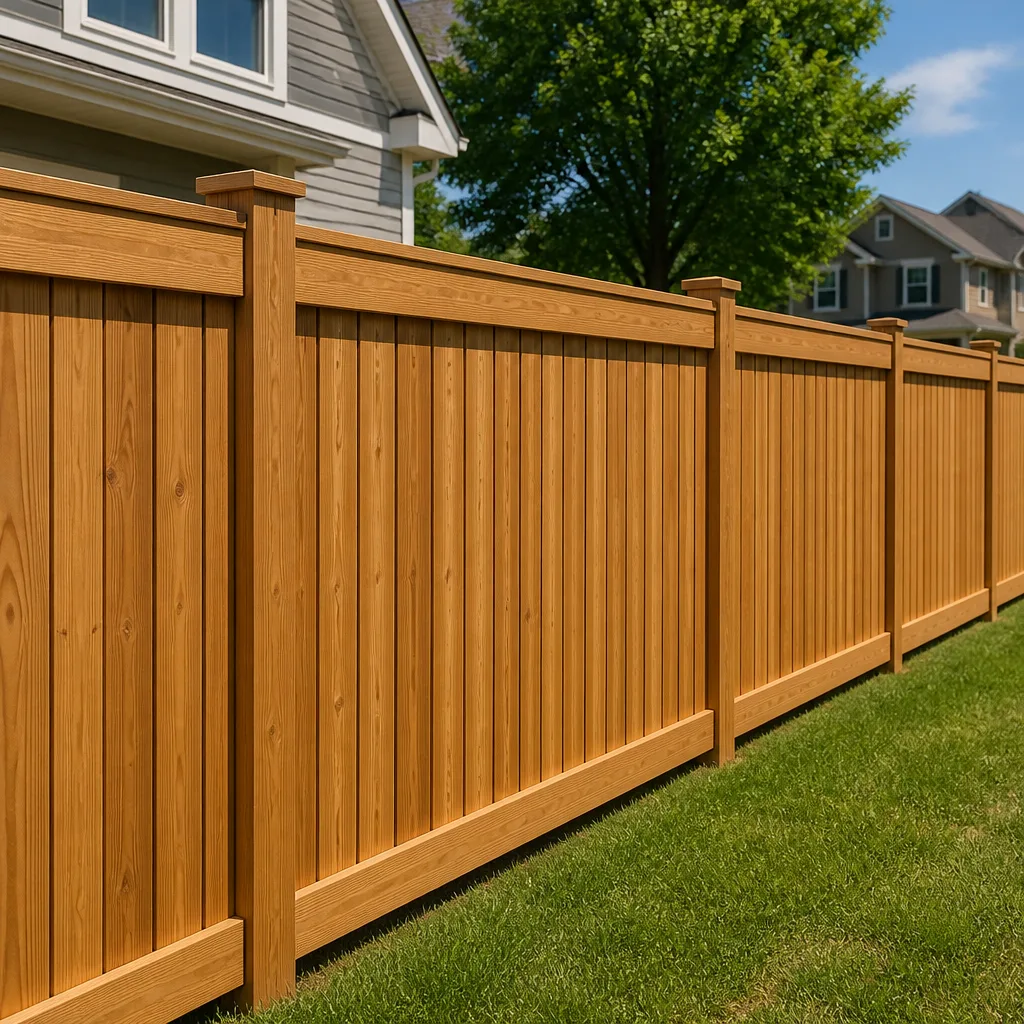
Fencing and Hardscaping: Performance Is About Installation, Not Brand
Vinyl fence brands like Bufftech and Ameristar produce similar materials. Belgard, Unilock, and Techo-Bloc produce pavers with similar compressive strength. In Westminster’s climate, a properly installed mid-tier fence or paver system will outlast a poorly installed premium one every time. The base prep, drainage, and installation method matter far more than the name stamped on the product. This is a category where you should let the contractor spec the brand and spend your decision-making energy on the installation details instead.
A Warranty Decoder for Westminster Homeowners
Construction brand warranties are written by lawyers who know exactly how to limit liability while sounding comprehensive. Here’s how to read the fine print on any brand you’re considering for your Westminster home.
- Separate parts from labor. A “lifetime warranty” that covers parts only means you pay the labor to fix it. In Westminster’s labor market, that’s usually the bigger cost. Ask: “Does this warranty include labor, and for how many years?”
- Check the transferability clause. If you sell your Westminster home in seven years, does the warranty transfer to the new owner? Transferable warranties add resale value. Non-transferable ones become worthless the day you move.
- Look for the installer certification requirement. Many premium brands – especially in roofing – only honor enhanced warranties if the installation was performed by a brand-certified installer. If you’re buying the product retail and having an un-certified contractor install it, your warranty may be downgraded to the basic terms automatically.
- Find the registration deadline. Most brands require warranty registration within a specific window – often 30 to 90 days after installation. Miss it, and you may lose upgraded coverage. A full-scope contractor typically handles registration as part of project closeout; a homeowner managing products independently has to remember it themselves.
- Understand the proration schedule. A “30-year warranty” often prorates after year 10 or 15, meaning the manufacturer pays a declining percentage of the replacement cost as the product ages. Some brands – like GAF on certain roofing lines – offer non-prorated coverage periods that don’t decline, which meaningfully changes the long-term value calculation.
Run any brand’s warranty through those five checks and you’ll quickly separate manufacturers who stand behind their products from manufacturers who are marketing them. The difference shows up in year six or seven, and it shows up in dollars, not brochures.
Why a Single-Source Contractor Changes the Brand Math
Most homeowners evaluate brands in isolation: “Is Kohler better than Moen?” The better question is: “Who is accountable when the Kohler faucet fails and the Moen installer says it’s the plumbing rough-in and the plumbing rough-in guy says it’s the faucet?” That’s the finger-pointing scenario that single-source construction eliminates.
When one Westminster general contractor specifies, sources, and installs every material in a project, the warranty conversation has exactly one phone number attached to it. The brand warranty sits on top of the contractor’s workmanship warranty, and both are enforceable through a single accountable party. That’s not a marketing claim – it’s a structural difference in how the project is managed. When multiple trades are loosely coordinated by a homeowner, every trade has a built-in excuse: “It’s not my product, it’s their installation.” When one team handles the full scope, that excuse doesn’t exist.
This is why we built Square One Builders the way we did – from the ground up, one contract, every system. Our clients aren’t evaluating brands in a vacuum. They’re working with a team that has installed those brands hundreds of times, knows which ones hold up in Westminster’s climate, and carries the warranty responsibility end-to-end. The brand decision gets easier when the accountability structure is clear.
Common Mistakes to Avoid
- Buying the most expensive brand in every category. Premium pricing buys performance in roofing and waterproofing, but in plumbing fixtures and countertops, mid-tier brands often perform identically. Spend where performance is real; save where it isn’t.
- Ignoring labor warranty terms. Westminster labor rates make parts-only warranties nearly worthless for anything installed in a wall or under a cabinet. A $15 part that costs $300 to replace isn’t a warranty benefit.
- Choosing a brand your contractor has never installed. Unfamiliar products mean longer installation times, more warranty callbacks, and a higher chance of installation errors. The best brand is one your installer knows deeply.
- Buying at retail for a contractor-installed project. Retail pricing, retail-tier products, and downgraded warranty terms all stack against you. Contractor pricing and distributor-exclusive products exist for a reason.
- Skipping warranty registration. The most common reason Westminster homeowners lose enhanced warranty coverage is simply missing the registration deadline. A full-service contractor handles this; a DIY product purchase often doesn’t.
- Specifying materials without thinking about resale. The brand names on your roof, windows, and kitchen become part of your Westminster home’s resale narrative. Famous names help. Obscure ones don’t. Discontinued ones hurt.
- Treating every category with the same decision process. Roofing warrants one kind of rigor, fencing another. Applying the same “buy the premium” logic everywhere wastes money in the categories where mid-tier performance is identical.
See the difference
 Before
 After
 Before
 After
 Before
 After
When to Call a Professional
If you’re planning a Westminster remodel that involves three or more systems – say, a kitchen renovation that touches plumbing, electrical, cabinetry, and countertops – the brand decisions multiply fast, and the coordination burden follows. That’s the point where a general contractor’s brand relationships, distributor accounts, and warranty management become worth more than the contractor’s fee. If you’re unsure whether a specific brand makes sense for your project, or whether you’re paying a premium for performance or just for marketing, get a professional read before you commit. Square One Builders offers free estimates in Westminster – call (877) 688-9930 and we’ll walk you through the brand options that actually make sense for your project, not just the ones that look good in a showroom.
Frequently Asked Questions
GAF, CertainTeed, and Owens Corning are the three brands we most often specify for Westminster roofs, and for good reason: all three engineer their architectural shingles for the UV exposure and wet-dry cycling that define coastal-adjacent Southern California. The premium over budget shingles runs $150-$250 per square installed, which over a 25-year roof life is roughly $6-$10 per month. Call (877) 688-9930 for a roof assessment and brand-specific pricing.
For typical Westminster household use, the functional difference between a premium Grohe fixture and a contractor-grade Moen or Delta is minimal. Both use engineered cartridges, both sell replacement parts through standard distribution, and both will last a decade or more with basic maintenance. The premium on Grohe buys design distinctiveness and finish options, not meaningfully better water delivery. Spend up on the fixtures you’ll see every day; save on the ones behind closed doors.
Generally, no. Retail pricing runs 15-25 percent above contractor pricing, retail-tier products are often built to a lower standard than contractor-grade equivalents, and many enhanced manufacturer warranties only apply when a certified contractor handles the purchase and installation. A full-scope contractor passes distributor pricing through and handles warranty registration, which usually saves money net of the contractor’s fee.
It depends entirely on the brand and the specific warranty terms. Some manufacturers – particularly in roofing and siding – offer transferable warranties that extend to a subsequent owner, which can meaningfully improve your home’s resale position. Others terminate the warranty at sale. This is one of the specific questions to ask before committing to a brand, and it’s a factor worth considering when weighing brands that look equivalent on paper.
Across a full kitchen remodel, the difference between mid-tier and premium brands typically runs 10-20 percent of the material budget – meaningful, but not transformational. The higher-leverage decisions are where to spend that money: on contractor-grade plumbing fixtures, plywood-box cabinetry, and engineered quartz countertops, all of which outperform budget alternatives in daily use. A general contractor can give you tiered brand options that show exactly where the money goes.
The most common error we see is applying one decision standard to every category – either buying premium across the board or chasing savings everywhere. The right approach is category-specific: buy up on roofing, windows, and waterproofing systems where Westminster’s climate and the failure costs justify the premium. Buy mid-tier on plumbing fixtures, countertops, and hardscaping where installation quality matters more than the brand name. Call (877) 688-9930 to review the brands we recommend for your specific project scope.
The Bottom Line
Choosing construction brands for a Westminster home isn’t a showroom exercise – it’s a warranty, service-network, and resale calculation that most homeowners never run. The brands that earn their premium in this market – GAF on the roof, PGT and Therma-Tru on windows, Schluter on waterproofing – do so because Westminster’s marine layer and UV cycles punish materials that are marginally specified. The categories where premiums are mostly marketing – plumbing fixtures, quartz countertops, fencing, and hardscaping – are where smart homeowners redirect budget into installation quality and contractor accountability instead. The single highest-leverage decision you’ll make isn’t which brand to buy; it’s who buys it for you. One contractor, every system, every warranty on one accountable line. That’s the brand decision that matters most.
Written by the team at Square One Builders, serving Westminster since 2014.