
Last updated October 31, 2026
 Home additions & ADU
 Kitchen remodeling
 Bathroom remodeling
 Roofing
 Windows & doors
 Driveway & pavers
 Fence
Free written scope consultation - allowances, timeline, and change-order rules on paper before a single trade is scheduled
The Complete General Contractor Guide for Westminster Homeowners
Westminster’s Building Division requires a separate plan-check submittal for residential projects valued over $1,000. That threshold is so low most bathroom remodels trigger it, yet roughly half of homeowners in Westminster don’t discover this until work is already underway and an inspector flags the job. This guide maps the actual local process: permit thresholds, plan-check wait times, Orange County soil realities, HOA overlays, and the contractor red flags that are specific to this city. For a deeper dive, see our The Complete Guide to Construction in Westminster. By the time you finish reading, you’ll know how to hire with confidence and avoid the scheduling traps that stall Westminster projects.
Quick Answer
Hiring a General Contractor in Westminster means working with someone who understands the city’s low $1,000 permit threshold, its plan-check submittal process, Orange County soil conditions, and the difference between GC-pulled permits and sub-pulled permits. The right contractor will manage all of that for you under one contract, from initial lot assessment through final inspection. Expect a full kitchen or bathroom remodel in Westminster to take 8 to 14 weeks depending on plan-check wait times and material lead times.
Styles & brands we work with
Table of Contents
- Westminster’s Permit Thresholds That Catch Homeowners Off Guard
- How Orange County Soil Reports Shape Your Remodel Scope
- Licensed Sub-Pulls vs. GC-Pulled Permits in Westminster
- Why the Difference Between Self-Performing and Coordinating GCs Matters
- A Realistic Westminster Remodel Timeline, Phase by Phase
- Red Flags Specific to Westminster’s Contractor Market
- What Material Brand Access Tells You About a GC
- Common Mistakes to Avoid
- When to Call a Professional
- Frequently Asked Questions
Westminster’s Permit Thresholds That Catch Homeowners Off Guard
The $1,000 valuation threshold is the single most misunderstood rule in Westminster residential construction. Here’s what it means in practice: if the combined value of labor and materials for any structural, electrical, plumbing, or mechanical work exceeds $1,000, you need a permit. A new vanity and faucet swap might slide under. A full bathroom remodel with shower valve relocation, new circuits, and a ventilation fan will not.
Westminster’s Building Division requires plan-check submittal for most projects above that line. Plan check is not the same as a permit. Plan check means a city reviewer examines your drawings for code compliance before a permit is issued. For a kitchen remodel with structural changes, that review can take two to four weeks depending on current volume. Then the permit is issued, and work can begin.
What many homeowners miss is that work performed without a permit creates a liability that follows the property. When you sell a home in Westminster, unpermitted work must be disclosed. Buyers and lenders increasingly flag it. Some deals fall apart over it. A general contractor who suggests skipping permits to save time or money is not doing you a favor.
Here’s a practical breakdown of when permits are typically required in Westminster:
- Kitchen remodels: Permit required when moving plumbing, adding circuits, or altering walls. Nearly all full remodels qualify.
- Bathroom remodels: Permit required when replacing a shower valve, moving a toilet, or adding a fan. Cosmetic-only updates may not trigger it.
- Window replacement: Permit required when changing opening sizes. Like-for-like replacement may not need one.
- Roofing: Permit required for full tear-offs. A simple repair layer may not trigger it, but Westminster inspectors still require final sign-off on structural decking replacements.
- ADU construction: Separate planning review plus building plan check. This is the longest permitting path in Westminster.
This is also where the General Contractor in Westminster role becomes essential: someone who has walked this exact path dozens of times knows which drawings the plan checker will ask for, which details get kicked back, and how to sequence the work so you’re not paying crews to stand around waiting for a permit. That knowledge alone can save three to five weeks on a project.
How Orange County Soil Reports Shape Your Remodel Scope
Westminster sits on a mix of sandy loam and clay-dominant soils that shift with moisture. This matters more than most homeowners realize because it affects foundation decisions, hardscaping, and even drainage. If you’re adding a room, building an ADU, or installing a large paver patio, the soil under your home determines what kind of preparation the work requires.
Orange County building departments typically require a soils report for additions and new structures. The report tells the engineer whether the soil can support the planned load, whether fill has been brought in over the years, and whether expansive clay is present. Expansive clay expands when wet and shrinks when dry, which over decades can cause slab cracking and door frame movement. Many Westminster tract homes built in the 1960s and 1970s sit on these soils.
For hardscaping, soil type changes the base preparation. Sandy loam drains well and typically requires a 4-inch compacted base under pavers. Clay-heavy soil drains poorly and may need 6 to 8 inches of base plus a geotextile separator to prevent the pavers from sinking. A contractor who ignores this is the reason patios in Westminster develop low spots within two years.
The same principle applies to drainage. Flat lots, which are common in central Westminster, pool water against foundations during winter rains. A full-scope GC will typically address drainage as part of any exterior or hardscaping scope rather than treating it as a separate project. That integration is the difference between a patio that lasts and one that becomes a pond.
Licensed Sub-Pulls vs. GC-Pulled Permits in Westminster
When you hire a general contractor in Westminster, one of the first questions to ask is who pulls the permits. There are two models, and they affect accountability in very different ways.
- GC-pulled permits: Your general contractor pulls the master building permit, and licensed subcontractors work under it. The GC is the single point of accountability with the city. If an electrical inspection fails, it’s the GC’s name on the permit. This is the model that keeps projects moving because one party owns the schedule.
- Sub-pulled permits: Each trade pulls its own permit: the electrician pulls electrical, the plumber pulls plumbing, the roofer pulls roofing. This is legally acceptable but functionally messy. If the plumber falls behind, the electrical inspection might stall, and the homeowner becomes the coordinator. You didn’t hire a GC to become project manager.
In Westminster, electrical and plumbing work always requires a state-licensed contractor for those specific trades. The question is whether the GC’s license covers the scope and whether the GC coordinates the sub-permits. A full-scope general contractor typically pulls the building permit and requires every sub to work under it. That’s the model we use at Square One Builders, because it means the city sees one responsible party, and so do you.
Ask any prospective contractor: “Will you pull the master permit, and will all subs work under it?” If the answer is vague, walk away. The answer tells you everything about how the project will be managed.
Why the Difference Between Self-Performing and Coordinating GCs Matters
Most general contractors in Westminster fall into one of two camps. Some self-perform a significant portion of the work with in-house crews: framing, drywall, maybe cabinetry installation. Others coordinate a rotating cast of subcontractors and handle the management side. Both are legitimate, but each has failure modes you need to understand.
A self-performing GC controls the schedule better because in-house crews can be shifted between tasks without waiting on a third party’s availability. The downside is that self-performing often means the GC is only truly expert in one or two trades. A GC with a framing background may not have deep knowledge of waterproofing details in a shower, and that gap shows up as callbacks.
A coordinating GC, by contrast, relies on relationships with licensed specialists in each trade. The value proposition is curation: the GC has vetted the electricians, plumbers, roofers, and tile setters over years of projects and knows who performs. The weakness is scheduling: if a sub is double-booked, your project slips.
The best model, and the one that works for larger Westminster remodels, is a hybrid. The GC manages the full scope under one contract, coordinates licensed specialists for systems like electrical and roofing, and retains in-house capability for finish work where details matter most: trim, cabinet installation, punch-list items. That structure is exactly what we mean when we describe the Square One approach at Home Remodeling in Westminster. One contractor, every system, from the ground up.
A Realistic Westminster Remodel Timeline, Phase by Phase
A Westminster remodel is six phases. Understanding each one keeps your expectations anchored to reality. This is the timeline we see across the city, from central neighborhoods near the 405 to the newer developments on the east side.
- Lot assessment and scope definition (1-2 weeks): A walkthrough, measurements, discussion of your goals, and an honest conversation about budget. For additions or ADUs, this includes a preliminary soils report review and title check for HOA overlays.
- Design and material selection (2-4 weeks): Plans are drafted, materials are chosen from the GC’s brand portfolio, and pricing is locked. This is where a GC with access to 50+ brands gives you real options: a Cambria countertop or a Silestone one, a GAF roof or a lighter-weight alternative, a Therma-Tru entry door or an ECO Window Systems vinyl option.
- Plan check and permitting (3-6 weeks): Plans go to the Westminster Building Division. Simple remodels clear in two to three weeks. Projects with structural changes can take five to six. This is the phase where delays happen, and the GC’s relationship with the city matters. A clean submittal moves faster than one with code errors.
- Demolition and rough work (1-3 weeks): Demolition, framing, rough electrical, rough plumbing, and HVAC modifications. Inspections happen at the end of this phase. Westminster inspectors are typically scheduled within 48 to 72 hours of request.
- Finish work (2-5 weeks): Drywall, paint, tile, cabinetry, countertops, fixtures, trim. Material lead times affect this phase more than any other. Custom cabinetry ordered during phase two might be 6 to 10 weeks out. Stock or semi-custom cabinetry from a brand like KraftMaid typically arrives in 3 to 5 weeks.
- Final inspection and punch list (1-2 weeks): The city performs the final inspection. Any punch-list items are resolved. The job closes out with furniture back in place and paperwork in hand.
A full kitchen remodel in Westminster typically runs 8 to 12 weeks. A primary bathroom runs 6 to 10. An ADU from permit submittal to certificate of occupancy runs 6 to 9 months. Anyone quoting dramatically faster timelines is cutting a corner somewhere, and in Westminster, that corner is usually plan check. For detailed cost expectations, see our Construction Cost Breakdown: The Westminster Homeowner’s Reference for 2026.
Red Flags Specific to Westminster’s Contractor Market
Orange County has a well-documented problem with unlicensed and underlicensed contracting. Westminster is not exempt. But the more specific issue we see is subtler: licensed general contractors who hire unlicensed subs and then hide that fact from the homeowner. It’s legal for a GC to hire unlicensed labor directly under the GC’s license in some cases. It is not legal for an unlicensed individual to hold themselves out as a licensed subcontractor. The distinction matters when something goes wrong.
Here are the red flags that show up repeatedly in Westminster:
- The sub arrives in an unmarked truck with no license number on the side. Licensed contractors in California are required to display their license number on all business vehicles. No number, no license.
- The estimate is itemized with suspiciously low line items for specific trades. If electrical is priced at half what two other bids show, ask who is doing the electrical. The answer may be a handyman.
- The contractor offers a discount for skipping permits. This is the fastest tell. A legitimate Westminster contractor will not offer this. If they do, walk.
- No written contract, or a contract under three pages. California requires detailed written contracts for home improvement work over $500. A thin contract means thin accountability.
- The GC cannot name the brand of materials being quoted. If they can’t tell you the window brand, the cabinet line, or the countertop manufacturer, they’re pricing unknowns. You’ll find out what you bought when it shows up.
Here’s our advice: verify every contractor’s license on the CSLB website before signing. It takes 90 seconds. Check that the name on the license matches the name on the contract. Then ask who will actually be on your property, and ask to see those subs’ licenses too. You have the right to know.
What Material Brand Access Tells You About a GC
A contractor’s brand portfolio is a window into how the business operates. It tells you whether the GC prices quality or defaults to the cheapest option at the supply house. It matters more than most homeowners realize because materials are typically 40 to 60 percent of a Westminster remodel budget.
A curated portfolio means someone made an intentional decision about what to offer and what to refuse. Take windows as an example. A GC offering ECO Window Systems and Therma-Tru is carrying both a value vinyl line and a premium fiberglass and steel entry door brand. That means the homeowner gets to choose between price points without switching contractors. That choice is the whole game in a remodel: the difference between a project you can afford and one you can’t, decided by material selection, not by scope cuts.
For a Home Renovation in Westminster, brand access also affects lead times. Custom and semi-custom lines have longer lead times but wider design ranges. Stock lines arrive faster but limit finish options. A GC who carries multiple tiers in the same category can shift you between tiers if a lead time threatens the schedule. That flexibility is worth more than any discount.
At Square One Builders, our material portfolio is one of the ways we deliver on the Square One Builders home promise: your remodel, fully managed. We spec the right material for your project, not just the material that’s available. Brands like ViewLux for custom windows, Mr-Glass for glass work, and the manufacturers behind our roofing and cabinetry lines represent decades of product engineering and warranty backing. That’s what built to stay that way means.
Common Mistakes to Avoid
- Starting the project before plan check is approved. Ordering materials or scheduling demo before the permit is issued creates a domino effect of delays when plan check comes back with revisions. In Westminster, revisions add one to three weeks per round.
- Hiring based on the lowest bid without comparing scope line by line. Two bids for the same kitchen can differ by $20,000 because one includes permit fees, soil prep, and finish materials while the other does not. Compare scope, not totals.
- Ignoring the HOA overlay process. Many Westminster neighborhoods, particularly newer developments east of Beach Boulevard, have active HOAs with their own review timelines. HOA approval can add two to six weeks and runs parallel to, not instead of, city permitting.
- Choosing finishes before understanding structural constraints. Want a wall removed? The beam size is dictated by load calculations, not preference. Choosing a countertop before the structural engineer confirms the span can mean change orders.
- Assuming “licensed GC” means “expert in every trade.” A GC’s license certifies the business, not each individual’s craft. Ask who does the tile, who does the electrical, and how long those specific people have worked with the GC.
- Paying large upfront deposits without a payment schedule tied to milestones. California caps down payments at 10 percent or $1,000, whichever is less, for home improvement contracts. Any contractor asking for more upfront is out of compliance.
When to Call a Professional
Some projects are safe to handle yourself. Painting a room, swapping a faucet with no pipe changes, replacing a light fixture with no wiring changes. Those are fine. But any Westminster project that touches structure, waterproofing, electrical panels, gas lines, or roofing is a professional’s job, not just because of code compliance but because mistakes in those systems are dangerous and expensive to fix. A bad tile job is cosmetic. A bad waterproofing job rots framing for years before you see the damage.
If your project involves moving walls, adding square footage, building an ADU, replacing a roof, or moving any plumbing or gas line, call a licensed general contractor early, before you buy materials or sign a lease on a storage unit. The earlier a GC is involved, the more design options stay open and the fewer surprises hit during construction. Our team at Square One Builders offers free estimates in Westminster. Call (877) 688-9930 to schedule yours.
Frequently Asked Questions
The City of Westminster requires a building permit for residential work valued over $1,000 in combined labor and materials. Most kitchen and bathroom remodels, window replacements that change opening sizes, roofing tear-offs, and all structural changes trigger this threshold. Plan check submittal is a separate step before the permit is issued. Call (877) 688-9930 and we’ll help you determine whether your specific project needs a permit.
Simple remodels in Westminster typically clear plan check in two to three weeks. Projects with structural changes take four to six weeks. Additions and ADUs can take longer because they require planning review in addition to building plan check. The best way to shorten the process is to submit clean, complete drawings the first time.
Visit the California Contractors State License Board website and search by the contractor’s name or license number. Confirm the license is active, the name matches the contract, and there are no unresolved complaints. You can also ask to see the licenses of any subcontractors who will work on your property.
If you live in an HOA-governed community in Westminster, you likely need architectural review approval before exterior changes. Interior work is typically exempt. HOA review timelines vary from two to six weeks and run parallel to city permitting, so both need to be started at the same time to avoid scheduling conflicts.
A California home improvement contract must include a detailed scope of work, total price, payment schedule, estimated completion date, and the contractor’s license number. It should also specify who pulls permits, which brands are being installed, and how change orders are handled. A legitimate Westminster contractor will provide all of this in writing without hesitation.
A mid-range kitchen remodel in Westminster typically runs $45,000 to $85,000 depending on cabinet tier, countertop material, appliance allowances, and structural scope. A primary bathroom runs $30,000 to $55,000. These are local ranges we see across the city. Call (877) 688-9930 for an exact quote on your project; estimates are free.
The Bottom Line
Westminster’s permitting process is stricter than most homeowners expect, with a $1,000 valuation threshold that captures nearly every kitchen and bathroom remodel in the city. Soil conditions, HOA overlays, and plan-check wait times all influence scope and schedule. The right general contractor understands all of it and manages it under one contract with one point of accountability. Ask about permits, ask about subs, ask about material brands, and compare scope line by line before you sign. Done right, your Westminster remodel is a coordinated, phased project with a predictable schedule and a paper trail that protects your property value. Done wrong, it’s a series of surprises. Choose the contractor who plans from the ground up. For more guides & resources, explore our blog.
Written by the team at Square One Builders, serving Westminster since 2014.
See the difference
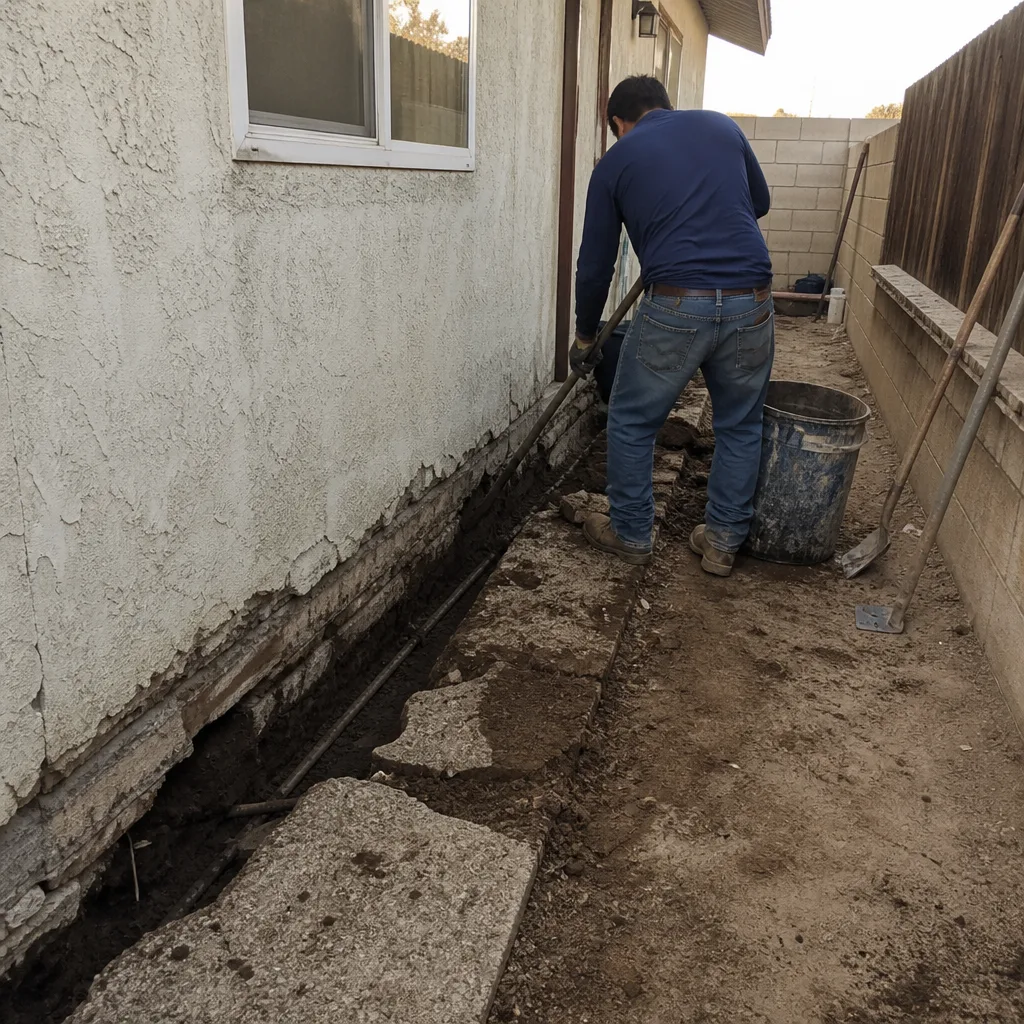 Before
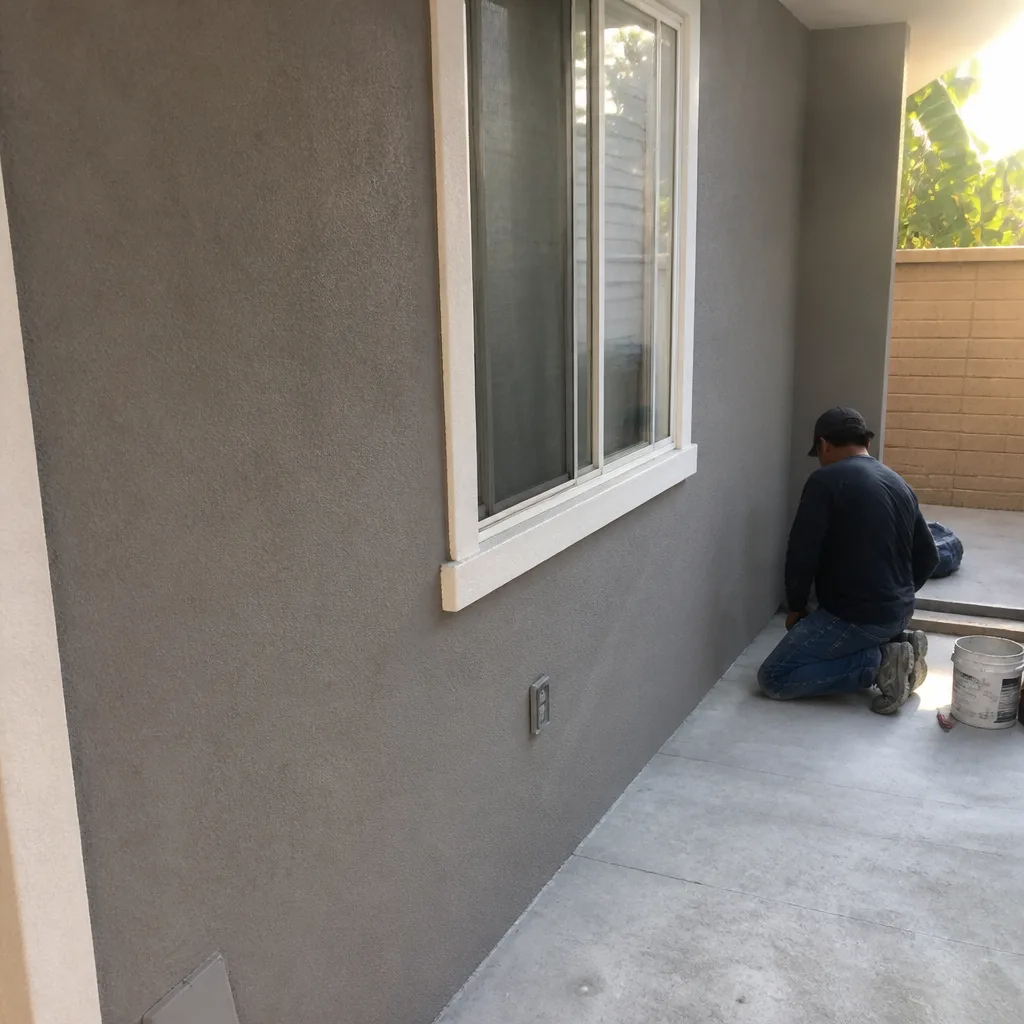 After
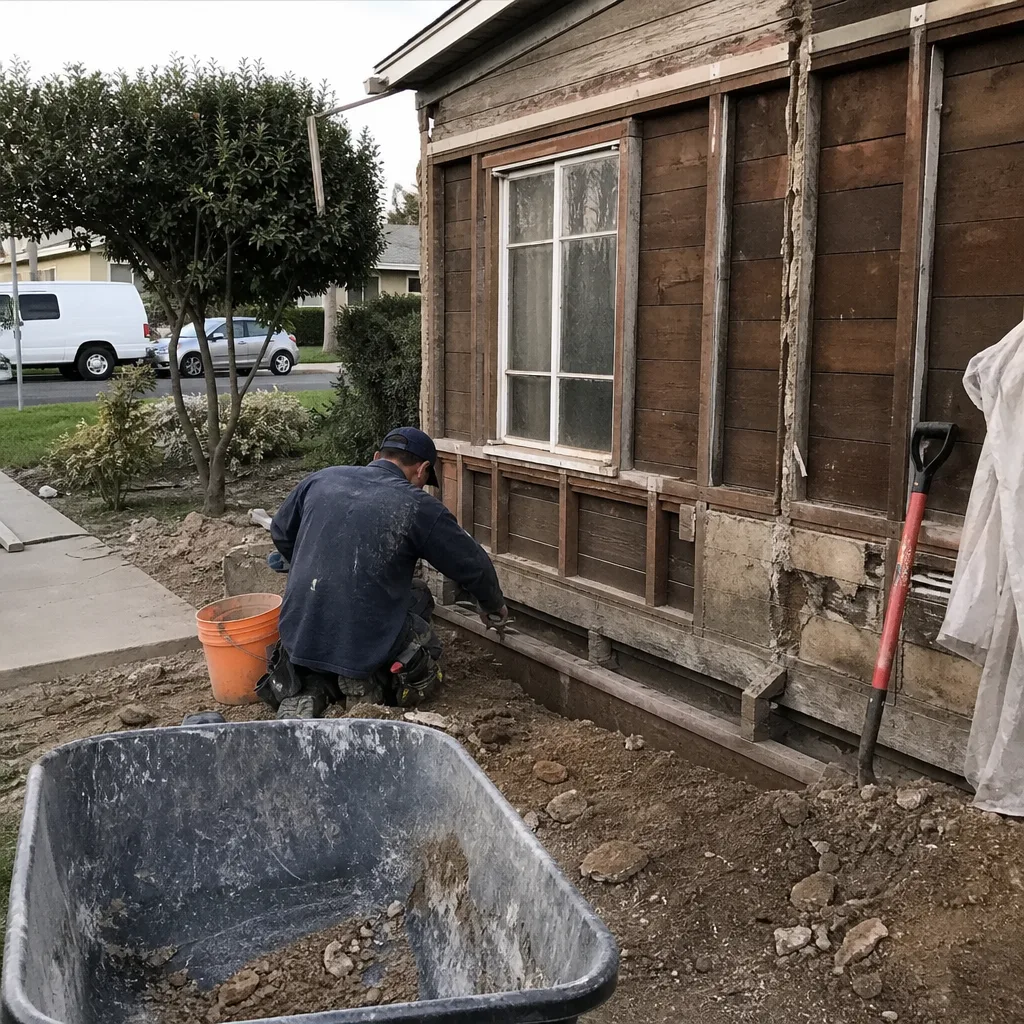 Before
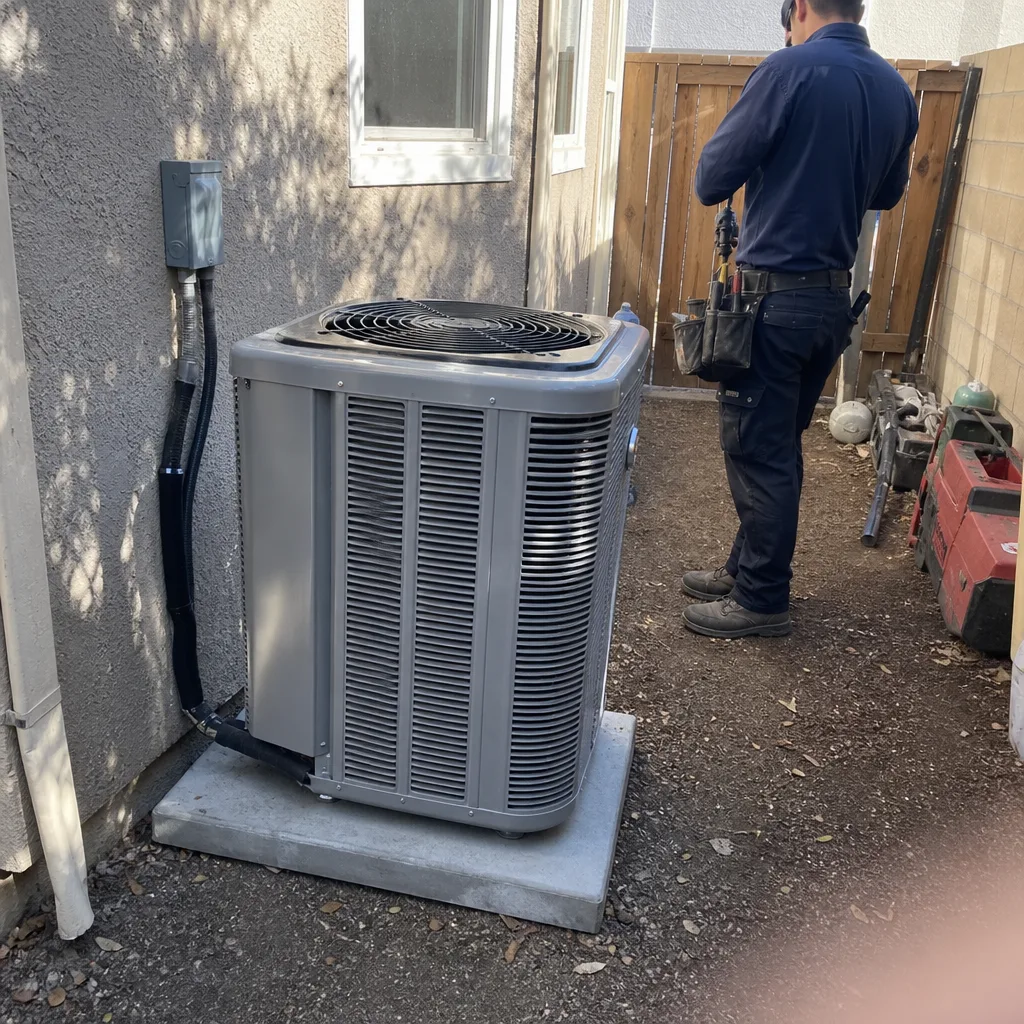 After
 Before
 After