
Last updated October 31, 2026
 Kitchen remodeling
 Bathroom remodeling
 Home additions & ADU
 Roofing
 Windows & doors
 Driveway & pavers
 Fence
Free written scope consultation - allowances, timeline, and change-order rules on paper before a single trade is scheduled
General Contractor Troubleshooting: Common Problems and How to Fix Them
Here’s a number most homeowners never hear: roughly one in three residential remodels in Southern California ends with a dispute over scope, cost, or workmanship. Not because the materials failed. Not because the homeowner was unreasonable. But because no single person on the job had both the authority and the incentive to catch a coordination problem before it became an expensive repair. This guide walks through the most common general contractor problems we’ve seen in Westminster, CA, and gives you a framework for diagnosing who actually owns a defect, how to document it correctly, and how to push for a resolution without watching your project stall for six months. For How to Hire a Construction Contractor in Westminster: A Step-by-Step Guide, see our companion post. By the end, you’ll know which battles to fight, which phone calls to make first, and how to structure your next contract so these problems don’t arrive in the first place.
Styles & brands we work with
Quick Answer
Most general contractor problems are coordination failures between trades, not material defects or dishonest work. The fix starts with identifying which trade actually owns the defect, documenting it with photos and written change-order language, then routing the claim through the right channel: a workmanship dispute goes to the contractor’s license bond and CSLB, while a product defect goes through the manufacturer’s warranty. The single most effective preventive move is hiring a full-scope general contractor who holds one contract and one line of accountability for every trade on your job.
Table of Contents
- Who Owns the Problem: A Simple Framework for Tracing a Defect
- What to Do When a Subcontractor Goes Dark Mid-Project
- Warranty Claim vs. Workmanship Dispute: Which Channel Resolves Faster
- Why Change Orders Are the #1 Source of Cost Overruns
- How Single-Source GC Contracts Shift Liability Off Your Plate
- Westminster-Specific Problems: Climate, Code, and Market Realities
- Common Mistakes to Avoid
- When to Call a Professional
- Frequently Asked Questions
- The Bottom Line
Who Owns the Problem: A Simple Framework for Tracing a Defect
When water shows up under a newly installed kitchen sink, or a crack appears in a fresh drywall seam, the instinct is to call whoever you wrote the last check to. That’s understandable. It’s also usually wrong. In a typical multi-contractor remodel, the drywaller blames the framer, the framer blames the engineer, the plumber blames the cabinet installer, and you’re standing in the middle holding a wet invoice. A Square One Builders home remodel doesn’t work that way, because tracing a defect is a process, not a personality contest.
Here’s the diagnostic framework we use on every Westminster project when something goes sideways:
- Identify the physical location of the failure. Is the problem at a joint, a penetration, a seam, or a transition between materials? Most residential defects occur where one trade’s work meets another’s. A leak at a roof valley is a roofer problem. A leak at a plumbing boot flashing is usually a roofer-and-plumber coordination issue.
- Photograph everything before anyone touches it. Wide shot showing context, medium shot showing the area, close-up showing the defect. Three photos minimum, timestamped, before any repair attempt begins.
- Pull the contract language for each trade that touched that area. What did each scope of work say? Who was responsible for “rough-in,” “finish,” “flashing,” “sealant,” or “transition”? If the language is vague, the problem may not belong to any one trade, it belongs to whoever wrote the contract.
- Write a one-paragraph problem statement. What failed, where it failed, when you first noticed it, and which trades performed work in that area within the last 12 months. This paragraph becomes the foundation for every email, claim, or complaint you file.
- Route the claim to the party with contractual responsibility, not the party who answers the phone fastest. If a sub says “not my scope,” ask them to point to the line in their contract that excludes it. If they can’t, you have leverage.
We’ve seen in Westminster homes built in the 1960s and 70s that original framing tolerances can create problems that look like a modern trade’s fault. A sagged ceiling joist from 1968 makes a 2025 drywall seam crack. The drywaller didn’t do anything wrong. The real fix is structural. A homeowner who skips the tracing step fires the drywaller, hires a new one, and watches the crack return in eight months. That’s what the single-accountability model solves for: one team with the full picture, not six trades each seeing only their slice.
When we scope a home renovation in Westminster, we document existing conditions before any new work begins. That pre-construction photo file becomes the reference point for every dispute that follows. If a tile cracks and the photo from demo day shows a hairline fracture already present in the subfloor, the conversation is over in five minutes instead of five weeks.
What to Do When a Subcontractor Goes Dark Mid-Project
A subcontractor who stops answering their phone is the most common mid-project crisis in residential construction. It happens in every market, including Westminster, and it’s rarely because the person is malicious. Usually they overbooked, underbid, ran into a supply chain delay, or hit a personal emergency. The reason matters less than your next three moves, because how you respond determines whether your project stalls for three weeks or three months.
Here’s the step-by-step sequence that works, based on what we’ve used to rescue projects that other homeowners thought were dead:
- Send a written notice, not another text. Email is better than text because it creates a dated, retrievable record. State the contract date, the agreed scope, the date they stopped showing up, and the specific work that remains incomplete. Ask for a written response within five business days.
- Check their license status with the CSLB. The California Contractors State License Board maintains a public database. If their license is suspended, expired, or was never valid, you have significant leverage. Unlicensed contracting is a crime in California, and threatening to report an unlicensed contractor often produces either an immediate refund or a rapid return to the job.
- Document your completion costs. Get two or three written bids from other licensed contractors to finish the remaining scope. Those bids become your damages if you end up in small claims court or arbitration. In Orange County, small claims jurisdiction goes up to $12,500 for individuals.
- File a complaint with the CSLB if they’re licensed and unresponsive. The CSLB can suspend or revoke a license over abandonment. A complaint letter referencing their license number gets attention fast.
- Consider a claim against their contractor’s bond. California requires licensed contractors to carry a $25,000 contractor’s bond. If the sub abandoned work you already paid for, you can file a bond claim. This is the legal leverage point most homeowners don’t know exists.
Now, here’s what we’d tell a friend in Westminster: none of this is fun, and all of it takes time away from your actual life. The structural fix is to never hold contracts with five separate subs in the first place. A full-scope general contractor absorbs the sub-management burden, including the chase-down phone calls when someone goes quiet. When we run a home remodeling project in Westminster, we’re the ones calling, documenting, and replacing subs who underperform. The homeowner hears about it at the weekly check-in, not at 9 PM when they’re wondering why the drywaller’s truck hasn’t been in the driveway for two weeks.
One nuance worth knowing: a sub who goes dark is not the same as a sub who’s simply slow. In Westminster’s tight labor market, the best tile setters and cabinet installers are often booked six to eight weeks out. If your sub says “I can’t get to your job for three weeks,” that’s honest scheduling, not abandonment. The distinction matters because firing a busy-but-reliable sub over a scheduling delay often makes the delay permanent.
Warranty Claim vs. Workmanship Dispute: Which Channel Resolves Faster
When a window fogs between the panes, or a cabinet door delaminates, or a countertop surface chips, you’re facing one of two completely different problems. A product defect is a manufacturer’s warranty issue. A bad installation is a workmanship dispute. The channels for resolving each look nothing alike, and routing a claim through the wrong channel wastes months.
Manufacturer Warranty Claims
If the material itself failed, the manufacturer typically replaces the product but not the labor to install it. The process runs through the company that sold or specified the product: you file a claim, provide proof of purchase and photos, wait for a field inspection, then receive either replacement material or a prorated refund. Resolution timelines run 30 to 90 days, depending on the brand. Window brands like Therma-Tru and ECO Window Systems both carry written warranties, but the warranties cover the window, not the person who put it in. If the window was installed incorrectly, the manufacturer will deny the claim and bounce it back to the installer.
Workmanship Disputes
If the installation was flawed, that’s a contractor performance issue. In California, the governing standard is “generally accepted trade practice.” Your recourse starts with the contractor’s own workmanship warranty, which good contractors provide in writing. If the contractor won’t stand behind it, the next channel is the CSLB complaint process, then the contractor’s bond, then small claims or arbitration.
Here’s the kicker: most of the failures we get called about in Westminster are installation issues that masquerade as product defects. A leak around a new window isn’t the window’s fault. It’s a flashing or sealant failure during installation. A cracked tile isn’t a tile defect. It’s a subfloor deflection problem or a bad mortar bed. The manufacturer will correctly deny these claims, leaving the homeowner stuck between a sub who won’t answer the phone and a brand that delivered a perfectly good product.
Our contract structure eliminates this ambiguity. When we spec a Mr-Glass or ES Windows product on a Westminster project, we’re responsible for both the material and the installation. If something fails, we diagnose it once, determine whether it’s a product or workmanship issue, and route it through the correct channel ourselves. The homeowner doesn’t play middleman between the manufacturer’s warranty department and the installer’s insurance carrier.
Why Change Orders Are the #1 Source of Cost Overruns
Most renovation cost overruns are not surprises hiding in the walls. They’re scope changes authorized verbally, priced hastily, and documented poorly or not at all. In fact, change orders routinely add 15 to 25 percent to final project costs, and almost every dispute about “the price changed” traces back to a change order that either wasn’t written or wasn’t read.
The problem isn’t that changes happen. Changes always happen. You open a wall and find galvanized plumbing from 1972 that needs replacement. You decide mid-project you want the tile to run to the ceiling instead of stopping at 42 inches. You upgrade from a standard window to a Therma-Tru door with sidelights. These are legitimate scope changes. The problem is how they get approved.
A verbal “yeah, go ahead and do that” is a blank check. The sub writes down a number. The homeowner doesn’t see it until the next invoice. The number is higher than expected. The homeowner contests it. The sub stops work. The project pauses. Everyone loses. This dynamic plays out identically in kitchen remodels in Westminster and bathroom remodels in every other city in Orange County.
Here’s the exact language you should require on every change order before you sign it:
- A written description of the change in plain English, not trade shorthand (“extend tile to ceiling on north wall of primary bath, approximately 42 square feet additional material”).
- A fixed price for the change, including labor and materials, stated as a total dollar amount and as a line-item breakdown if the change exceeds $1,000.
- The impact on schedule, stated in days, not vague language like “minor delay.”
- A signed acknowledgment from both the contractor and the homeowner dated the day the change is approved.
- A revised total contract price so you always know where you stand against the original budget.
If a contractor won’t put a change order in writing with those five elements, don’t approve the work. It’s that simple. The good contractors in Westminster already work this way because they’ve seen what happens when they don’t. On our projects, no change proceeds without a written, signed change order. It protects us as much as it protects the homeowner, because memory is a terrible contract.
How Single-Source GC Contracts Shift Liability Off Your Plate
The phrase “general contractor” means different things in different markets. In some places, it means the person who hires the subs and hopes for the best. In a full-scope model like ours, it means one entity with one contract, one schedule, one point of contact, and one line of legal responsibility for the entire job, from the footing inspection to the final walkthrough. The legal and practical difference is enormous.
When you hire separate contractors for roofing, windows, kitchen, and bath work, you are the general contractor. Legally, you carry the coordination risk. If the roofer’s flashing detail doesn’t match the window installer’s new frame, you own that gap. If the cabinet installer chips the new countertop edge, you decide who pays. If the plumber’s rough-in doesn’t line up with the cabinet plan, you negotiate the fix. Most homeowners don’t realize they’ve signed up for that role until they’re doing it at 7 AM on a Tuesday.
A single-source contract shifts that burden. The GC is contractually responsible for every trade, every transition between trades, and every defect that arises from coordination failures. When you call one number, someone who already knows your project answers. When something fails, there’s no debate about whose scope it falls under because the scope belongs to one entity: the general contractor.
From the ground up, this is how we operate on every Westminster project. We spec the right material for your project, write the scope so no trade’s work can create an unfixable problem for the next trade, and sequence the work so inspections happen when they’re supposed to. The general contractor in Westminster model works because it removes the finger-pointing incentive entirely. No sub can blame another sub without in effect blaming their own employer.
This doesn’t mean every problem disappears. Construction is physical work in imperfect buildings with imperfect materials. It means the problems route through one accountable team instead of six unaccountable ones. That’s the difference between a remodel that finishes and a remodel that finishes you.
Westminster-Specific Problems: Climate, Code, and Market Realities
Westminster, California sits in a sweet spot geographically, about six miles from the Pacific, far enough inland to avoid the heaviest coastal fog but close enough that salt air still matters for exterior material selection. For maintenance tips, see our Seasonal Construction Care for Westminster: Year-Round Homeowner’s Guide. That geography creates specific conditions that affect renovation work differently than in, say, Riverside or San Bernardino.
The marine layer that rolls through Westminster mornings in May and June means exterior wood requires sealing on a consistent schedule, and exterior fasteners for any outdoor project should be stainless or coated. We see rusted hardware on decks and fences within 18 months when cheap fasteners were used. The same project in a drier inland climate would coast for years.
Westminster’s building stock presents its own pattern. A significant portion of single-family homes were built between 1955 and 1980. That means galvanized supply lines, cast iron waste pipes, aluminum branch wiring in some late-60s builds, and foundation systems that range from perfectly sound raised floors to slabs with decades of settling. Any renovation that opens walls or floors on one of these homes should assume some portion of the original mechanicals need replacement. We budget for it and tell homeowners to budget for it, because the discovery is almost always when, not if.
Permitting runs through the City of Westminster Building Division. The city uses current California Building Code, and like most Orange County municipalities, plan check times vary by project scope. A simple kitchen remodel with no structural changes moves faster than an ADU or addition, which requires full plan review. We handle permits as part of our scope, which means the homeowner never stands at a planning counter wondering which form they need.
Market-specific reality: Westminster’s contractor market is crowded, but genuinely full-scope general contractors are rare. Most local providers are single-trade specialists. That’s fine if you need one trade. It’s a coordination nightmare if you need five. The homeowners who call us are usually the ones who tried the multi-contractor approach once and won’t do it again.
Common Mistakes to Avoid
- Hiring the cheapest bid without reading the exclusions. In Westminster, as everywhere, the low bid usually excludes something: demo, hauling, permits, finish materials, or the second coat of paint. Read the exclusions line by line before comparing bids.
- Paying too much upfront. California law caps the down payment for home improvement contracts at $1,000 or 10 percent of the project cost, whichever is less. If a contractor asks for 30 or 50 percent down, that’s a red flag and often a legal violation.
- Approving verbal change orders. Every verbal “go ahead” is a future billing dispute. Written change orders signed by both parties are the only change approval that protects you.
- Skipping the pre-construction photo record. Without dated photos of existing conditions, you can’t prove a crack, stain, or chip was pre-existing. One homeowner we worked with in Westminster avoided a $4,000 dispute because the demo-day photos showed the foundation crack was already there before framing started.
- Letting different trades work without a written scope interface. The roofer doesn’t inherently know the window installer’s frame details, and the cabinet designer doesn’t inherently know the plumber’s rough-in layout. A GC writes the interface scope; a homeowner with multiple subs has to do it themselves, usually without the trade knowledge to do it correctly.
- Ignoring small leaks or cracks hoping they stay small. In Westminster’s climate, a small water intrusion behind stucco or siding becomes rot, mold, and structural damage faster than homeowners expect. The time to fix a leak is the day you notice it, not the day you’re selling the house.
- Not verifying license and insurance before signing. The CSLB database is public and free. Check the license, check for active complaints, and confirm workers’ comp coverage. Five minutes of verification beats eighteen months of litigation.
When to Call a Professional
Some problems are diagnosable and resolvable by a determined homeowner. A loose cabinet hinge, a squeaky door, a toilet that runs constantly: these are weekend fixes. But if you’re seeing water where water shouldn’t be, cracks that are growing, electrical issues that trip breakers, or any problem that involves structural framing, load-bearing walls, or gas lines, stop and call a licensed contractor. The cost of a professional diagnosis is almost always less than the cost of the repair you’ll need after an amateur attempt goes wrong. If you’re in Westminster and want a single team to diagnose and fix the problem rather than three separate opinions, Square One Builders offers free estimates in Westminster. Call (877) 688-9930 and we’ll take a look.
Frequently Asked Questions
The most common problem is coordination failure between trades, usually appearing as a defect at a material transition point: where the roof meets a wall, where the countertop meets the backsplash, where the shower pan meets the tile. In Westminster remodels, these transition defects outnumber material failures by roughly three to one. Call (877) 688-9930 if you’re seeing a problem at a transition and want a clear diagnosis of what actually failed.
You prove causation with dated documentation: photos of the area before the sub’s work began, photos of the damage after, a written description of the sequence of events, and ideally a professional assessment from a licensed contractor who can speak to generally accepted trade practice. This evidence supports a CSLB complaint or a bond claim if the sub won’t resolve it voluntarily.
Yes, you can terminate a general contractor for cause under California law, but the process matters. You need documented evidence of breach: missed inspections, work that fails code, abandonment, or repeated failure to adhere to the written scope. Terminating without documented cause can expose you to a wrongful termination claim. Consult the contract’s termination clause and consider having a construction attorney review the language before you act.
A realistic timeline for a full home remodel in Westminster runs six to nine months for a typical 1,800 to 2,400 square foot home, assuming no structural surprises. Smaller scopes move faster: a kitchen remodel with no layout changes typically runs eight to twelve weeks. City of Westminster plan check and permitting add time to any project with structural work or additions.
At minimum, the contract should include a detailed scope of work, a fixed price or clearly defined cost-plus structure, a payment schedule that complies with California’s down payment cap, written change order procedures, a project schedule, a list of all subcontractors and suppliers, permit responsibility, and a workmanship warranty in writing. Vague scope language is the single biggest predictor of a later dispute.
Fixed-price contracts usually go over budget through change orders, not through the base scope. The original price may be accurate for the original scope, but as the homeowner adds scope (nicer tile, extra windows, structural discoveries behind drywall), each change adds cost. A contractor who documents every change in a written change order with a fixed price and schedule impact keeps the budget transparent. Call us at (877) 688-9930 if you want to talk through budget mechanics before your project starts.
The Bottom Line
Most general contractor problems are solvable if you can identify who owns the defect, document it correctly, and route it through the right channel. Browse our more guides & resources for additional help. The problems that aren’t solvable are usually the ones where no one owned the coordination in the first place: six trades, six contracts, six different interpretations of who was supposed to flash that window. One contractor, every system, one line of accountability eliminates those gaps before they become disputes. If you’re planning a remodel in Westminster, structure the project so you’re never the one mediating between trades at 9 PM. Your remodel, fully managed, is the only version worth paying for.
Written by the team at Square One Builders, serving Westminster since 2014.
See the difference
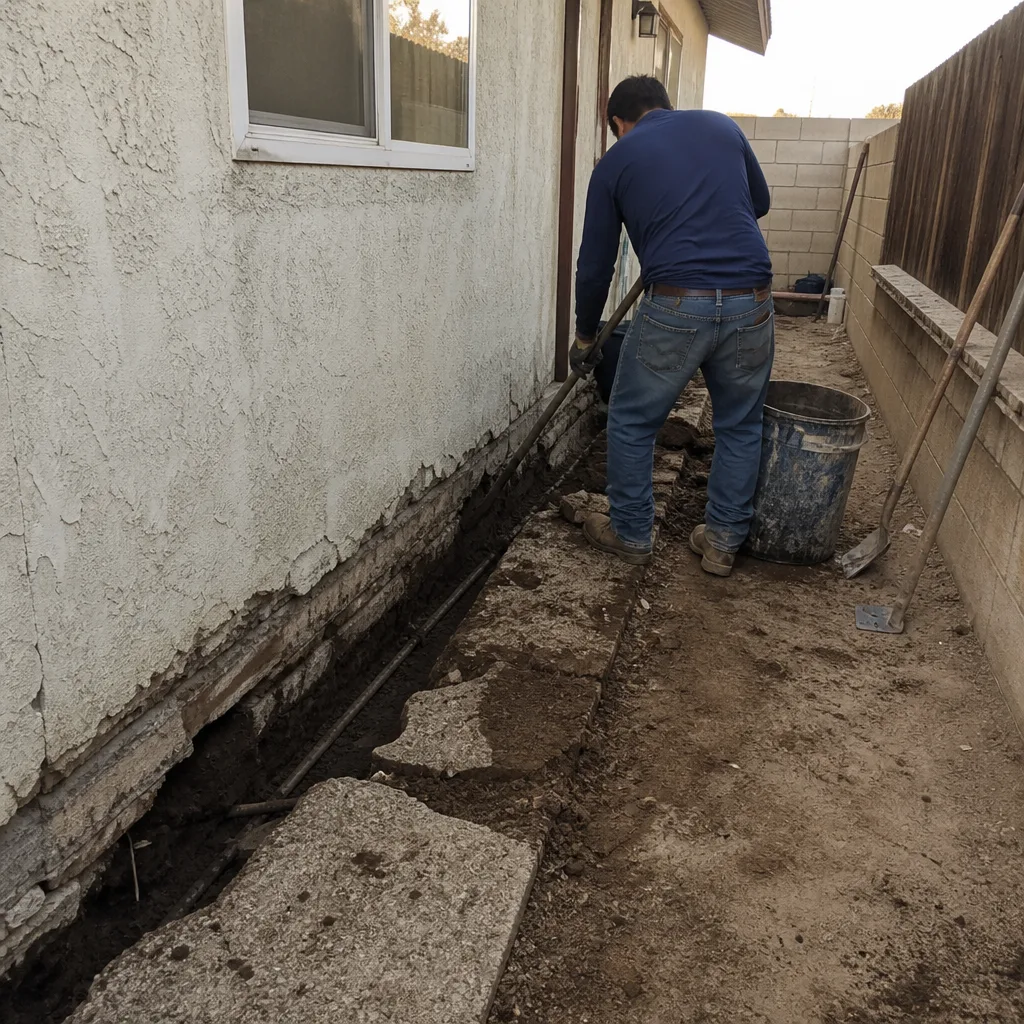 Before
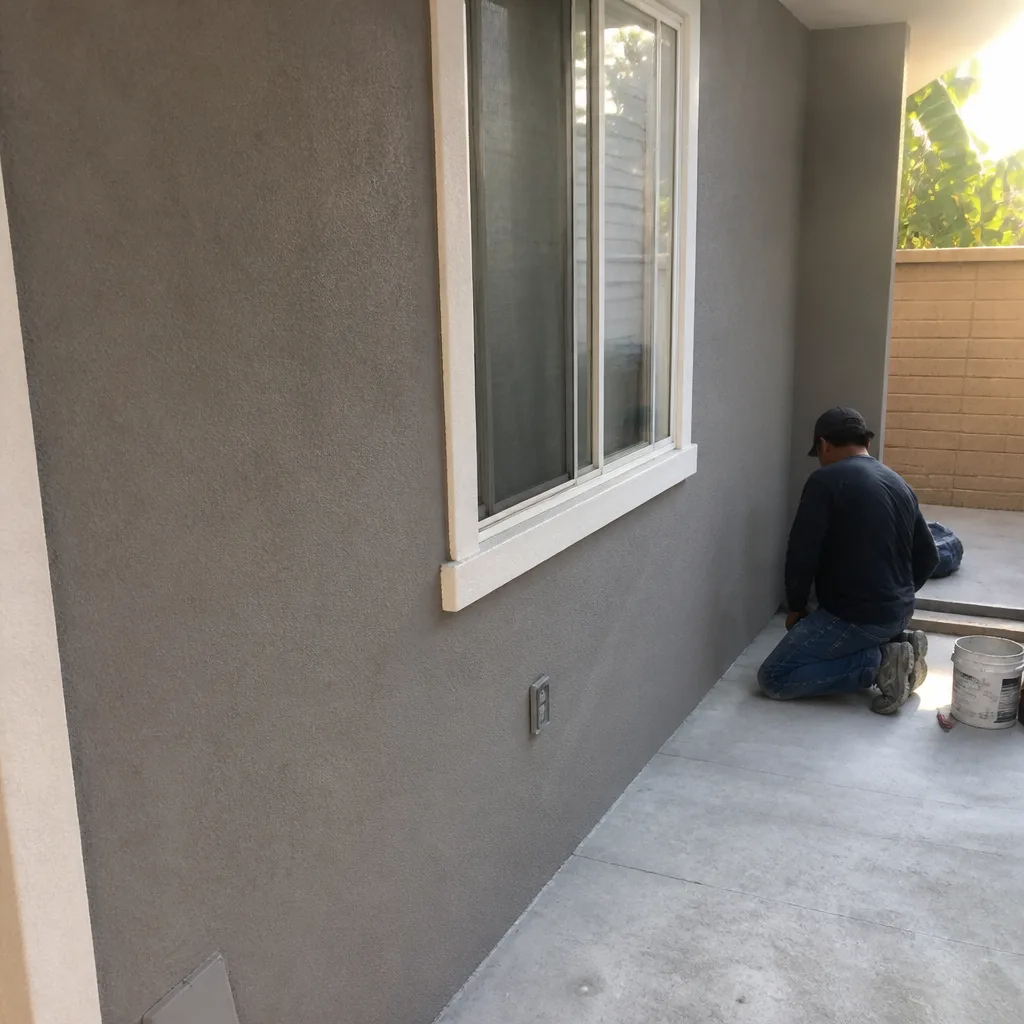 After
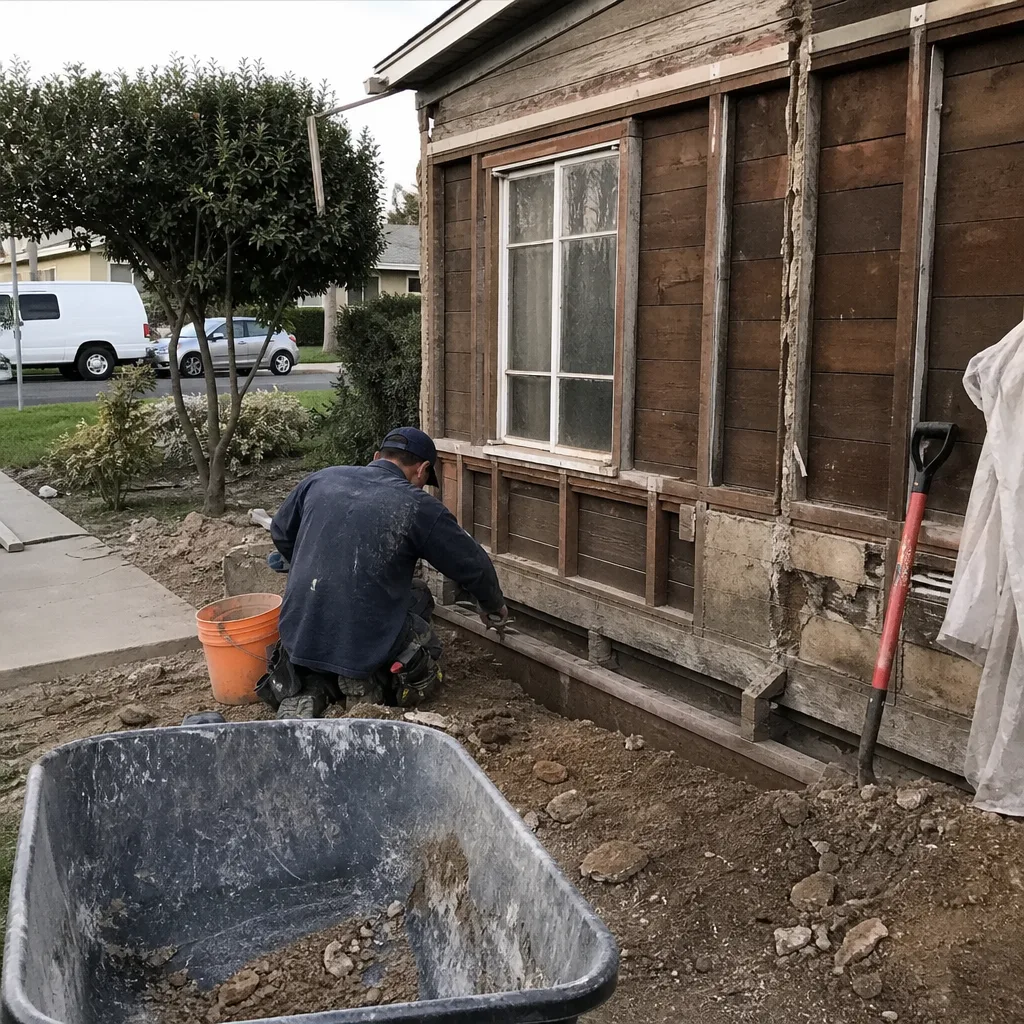 Before
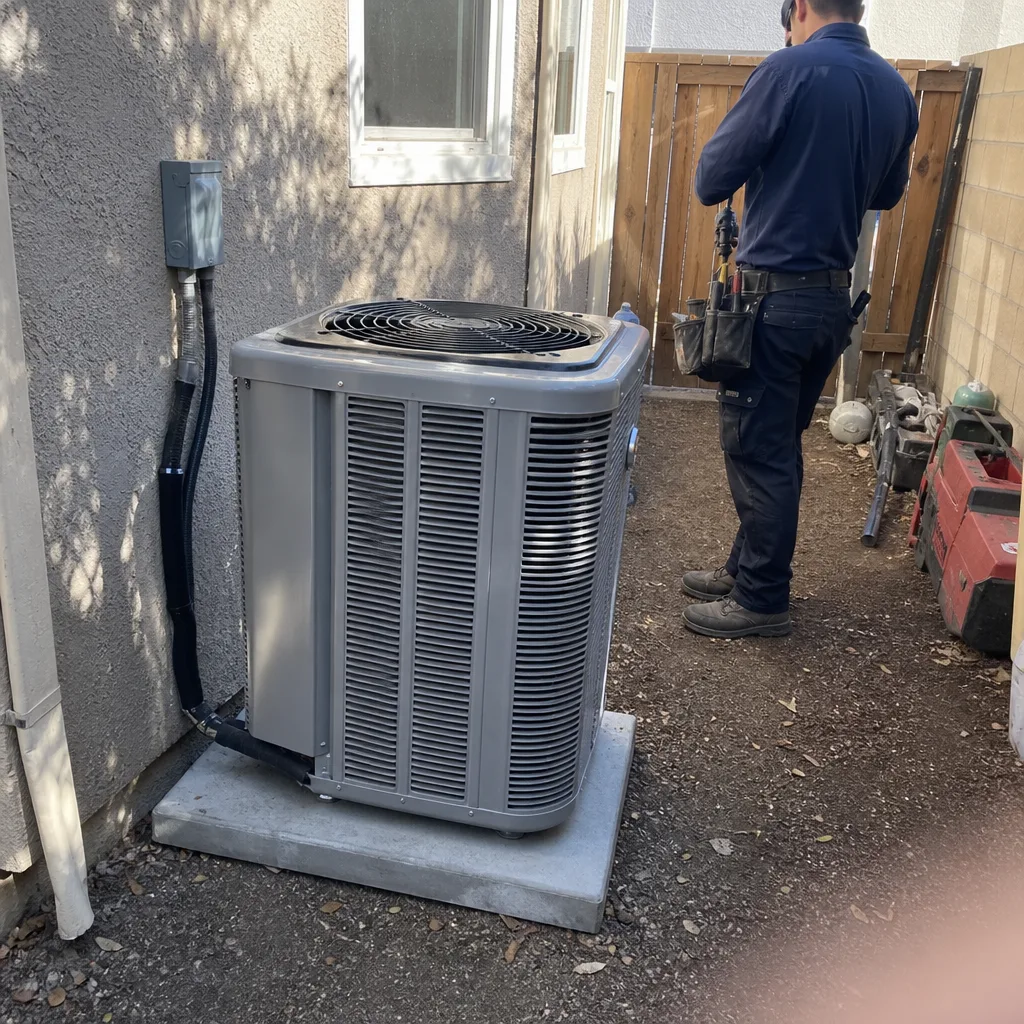 After
 Before
 After