
Last updated October 31, 2026
 Home additions & ADU
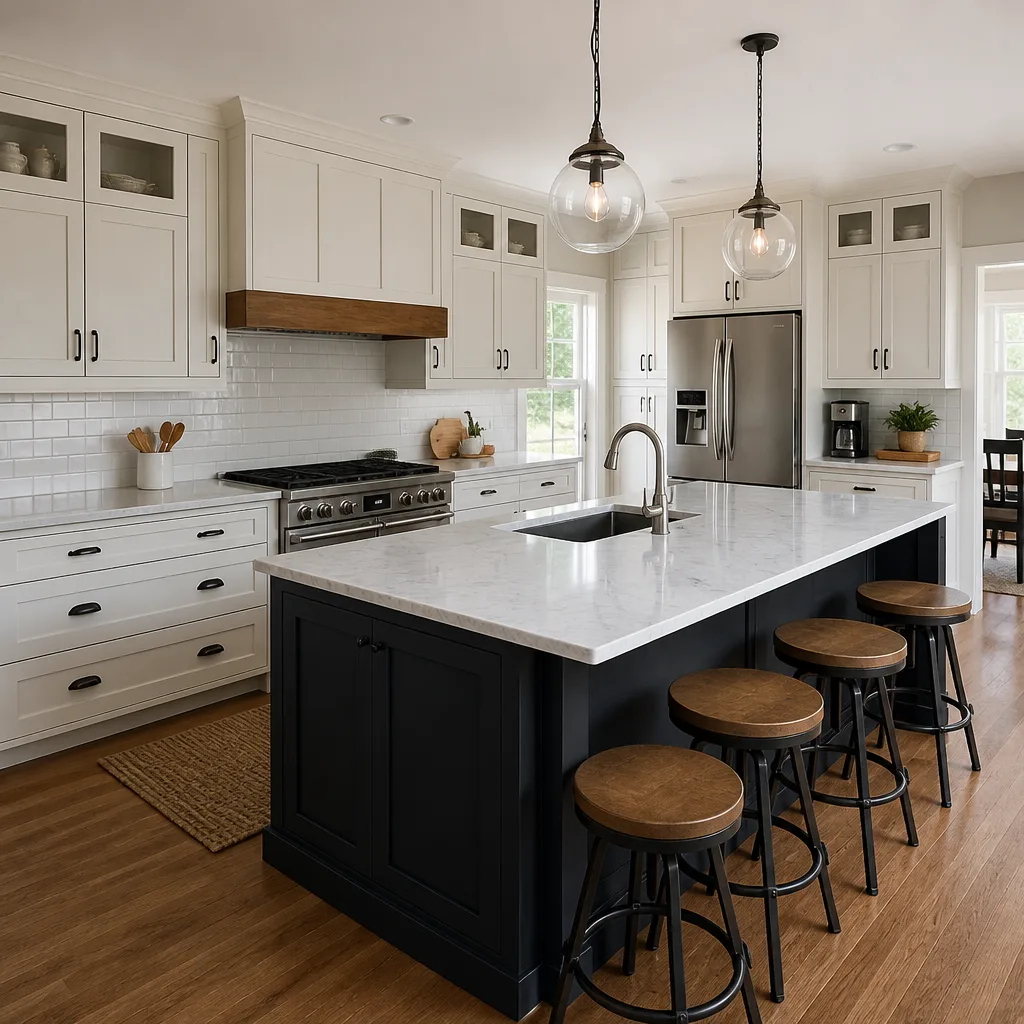 Kitchen remodeling
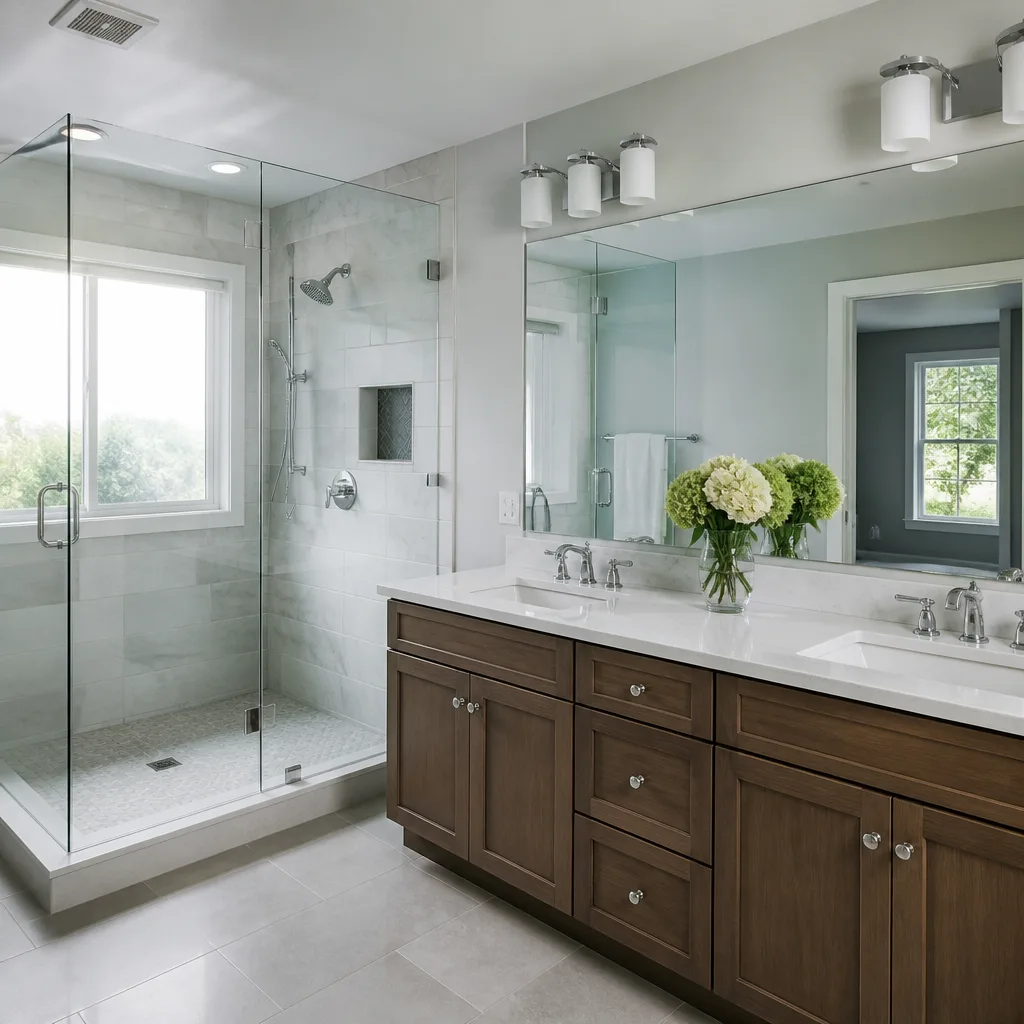 Bathroom remodeling
 Roofing
 Windows & doors
 Driveway & pavers
 Fence
Free written scope consultation - allowances, timeline, and change-order rules on paper before a single trade is scheduled
DIY vs Professional Construction: The Westminster Homeowner’s Decision Guide
You can watch a tile installation video on a Saturday morning and do a credible job by Sunday night. You really can. But if that tile work was part of a bathroom remodel that required a permit in Westminster, and you didn’t pull one, the unpermitted work becomes a disclosure item when you sell. A buyer’s inspector flags it. The appraisal comes back with notes. Your sale price drops by more than the contractor’s fee would have been. DIY has a real cost. It just shows up years later, wearing a suit, during escrow. This guide covers exactly where the legal and financial lines sit for Westminster homeowners, which projects genuinely favor doing the work yourself, and which ones carry hidden liability you don’t see until it’s too late. For more guidance, explore our more guides & resources.
Styles & brands we work with
Quick Answer
The DIY vs. professional decision in Westminster isn’t really about whether you can do the work. It’s about permit liability, insurance coverage, and resale consequences. In the city of Westminster, any project that alters structure, plumbing, electrical, or mechanical systems requires a permit and often a licensed contractor. Finish work like painting, trim, hardware, and landscaping is genuinely DIY-appropriate. Everything else carries downstream risk that usually costs more than hiring a licensed general contractor from the start.
Table of Contents
- The Permit Matrix: Where Westminster Draws the Legal Line
- How Unpermitted DIY Work Affects Your Homeowner’s Insurance
- What Westminster Homeowners Can Genuinely DIY
- What Always Needs a Licensed Professional
- The Hybrid Model: DIY Finish Work on Permitted Professional Systems
- What “I’ll Just Disclose It” Actually Costs in a Westminster Sale
- How Westminster’s Housing Stock Changes the Calculation
- Common Mistakes to Avoid
- When to Call a Professional
- Frequently Asked Questions
- The Bottom Line
The Permit Matrix: Where Westminster Draws the Legal Line
Westminster enforces the California Building Standards Code, which means the permit requirements here match most of Orange County. But Westminster’s building department has its own inspection rhythms, its own plan check timelines, and its own way of flagging unpermitted work when a property changes hands. Homeowners who assume a small job doesn’t need paperwork are usually wrong about one specific thing: the trigger isn’t project size, it’s system type.
Here’s the matrix that matters. It’s organized by what the work touches, because that’s how the city organizes it too.
Work That Always Requires a Permit in Westminster
- Any structural change: removing a load-bearing wall, cutting a new window opening, changing roof framing, adding a beam
- Electrical alterations beyond fixture swaps: new circuits, panel upgrades, rewiring, adding outlets
- Plumbing modifications beyond fixture replacement: moving drain lines, adding a bathroom, relocating a sink, new water heater installation
- Mechanical work: furnace replacement, ductwork changes, AC unit installation
- Roof replacements: the entire roof system, including decking and underlayment
- Water heater replacement: Westminster requires a permit for this, even if it’s a same-size swap
- Any addition: room additions, ADU construction, garage conversions
- Window replacements that change opening size: enlarging or relocating a window opening requires structural review
Work That Typically Doesn’t Require a Permit in Westminster
- Painting interior or exterior surfaces
- Cosmetic flooring replacement: carpet, laminate, vinyl plank, click-lock flooring
- Cabinet hardware, door hardware, fixture swaps of the same type
- Trim, baseboards, crown molding
- Landscaping that doesn’t alter drainage patterns
- Tile work that doesn’t involve moving plumbing or waterproofing a wet area as part of a remodel (note: a full shower rebuild does require a permit because it’s a wet area with waterproofing inspection)
The line that surprises most Westminster homeowners is the shower rebuild. You can retile a backsplash without a permit. You cannot rebuild a shower pan or replace shower waterproofing without one. The city wants to inspect the waterproofing before tile goes on. Skip that inspection, and you’ve created an unpermitted condition in the most water-damage-prone part of your home.
If you’re unsure whether your project needs a permit, the General Contractor in Westminster page on our site walks through how we scope permitted work, or you can call the city’s building division directly. The question is worth asking before you open a wall.
How Unpermitted DIY Work Affects Your Homeowner’s Insurance
Most Westminster homeowners assume their insurance policy covers whatever happens inside their house. That assumption is wrong in a specific way. Standard homeowners policies in California contain exclusions for damage caused by work done without required permits or by unlicensed contractors. If you rewire a room yourself, skip the permit, and six months later an electrical fire starts in that room, the insurance adjuster’s first questions are about permits and licenses. When you can’t produce either, the claim gets denied. Not reduced. Denied.
The policy language varies by carrier, but the exclusion framework is consistent across the industry. Insurance covers sudden and accidental loss. Work performed outside the legal framework, meaning without permits where permits were required or by unlicensed individuals where licensing was required, is treated as a condition the homeowner created. It’s not an accident the policy covers. It’s a known risk you introduced.
This bites in a second direction too. If you hire an unlicensed handyman to do electrical work on your Westminster home and that work causes a fire, your insurance may deny the claim based on the unlicensed contractor exclusion. You then have a damaged house, a denied claim, and a lawsuit against someone who likely has no assets. Homeowners who hire unlicensed help to save money on a remodel are effectively self-insuring the entire project without knowing it. For help identifying red flags before you hire, see our General Contractor Troubleshooting: Common Problems and How to Fix Them.
The fix is straightforward. Permit the work that needs permitting. Use licensed trades for systems that require licenses. Your insurance policy stays intact, and any future claim gets evaluated on its merits instead of getting rejected on a technicality.
What Westminster Homeowners Can Genuinely DIY
We’re not here to tell you that everything needs a contractor. That’s not true, and it’s not how we operate. There are real categories of work where doing it yourself makes financial sense in Westminster, and those categories are pretty consistent. The key is that they share three traits: no permit required in Westminster, no plumbing or electrical system alteration, and no structural or waterproofing exposure.
Paint and Drywall Cosmetic Work
Interior and exterior painting are the classic DIY projects, and for good reason. They require no permit in Westminster, mistakes are repairable, and the material cost is manageable. Patch-and-paint drywall repair falls into the same category, as long as you’re not opening walls to access mechanical systems. Orange County’s dry climate makes paint work forgiving: low humidity means paint dries predictably and wood trim doesn’t swell or shrink dramatically during application.
Hardware and Fixture Swaps
Replacing cabinet pulls, door handles, light fixtures that mount to existing boxes, faucets that connect to existing supply lines, and similar one-for-one swaps are legitimate DIY territory. You’re not altering the system. You’re replacing a component. In Westminster, these swaps don’t trigger permit requirements because the plumbing or electrical infrastructure stays unchanged.
Non-Structural Landscape and Hardscape Elements
Planting, mulching, small paver patios under 200 square feet that don’t alter site drainage, and simple fence repair using existing posts are all very doable for a Westminster homeowner. The caveat is drainage. Westminster sits on flat terrain in most neighborhoods, and water management matters more than homeowners expect. If your DIY hardscape changes where water flows during a winter storm, that’s a code issue and a neighbor issue.
Flooring That Doesn’t Require Subfloor Changes
Click-lock vinyl plank, carpet installation, and floating laminate floors are within DIY reach. They don’t require permits, and mistakes are correctable without structural implications. Tile flooring is trickier because of underlayment and waterproofing considerations in wet areas, but tile in a dry entryway or hallway is manageable for a careful homeowner.
Here’s a numbered step-by-step for the DIY projects Westminster homeowners most commonly ask us about.
- Verify the permit question first. Call the Westminster building department or check the work against the matrix above. If it’s structural, electrical, plumbing, or mechanical, stop and call a professional.
- Confirm the system you’re touching stays unchanged. A faucet swap is fine. Moving the water lines is not. A light fixture swap is fine. Running new wire is not.
- Check for material incompatibility before buying. Westminster homes built in the 1960s and 1970s often have cast iron drain pipes and aluminum wiring. A fixture that connects fine to copper may not connect cleanly to cast iron without an adapter.
- Budget for the unexpected repair. When you open a wall or remove a fixture, you may find rot, mold, or outdated wiring. If that happens, you’ve moved from DIY to permitted work, and you need to stop and call someone who can pull permits.
- Document the cosmetic work. Save receipts, take photos. If you do sell the home, having evidence that the work was cosmetic and not structural helps when buyers ask questions.
If you’re planning a larger Home Remodeling in Westminster and trying to figure out which pieces you can handle yourself, the honest answer is usually “the finish work after the permitted systems are done.” We’ll circle back to that hybrid model in a moment.
What Always Needs a Licensed Professional
Some projects are non-negotiable. Not because we’re protecting our trade, but because California law says so, your insurance policy says so, and your future home sale says so. Here are the categories where Westminster homeowners should never attempt the work themselves.
Structural Work
Removing a wall, adding a beam, cutting a roof opening for a skylight, or modifying foundation elements are all structural changes. They require engineering evaluation, permit approval, and inspection. Getting one wrong means your house settles unevenly, doors stop closing, drywall cracks spread, and the fix costs multiples of the original work. There’s no version of YouTube-watching that prepares a homeowner for load path calculations.
Electrical Panel and Wiring Work
This is the one where safety and legality overlap hardest. Electrical work beyond fixture swaps requires a permit and a licensed electrician in Westminster. The danger isn’t just the immediate shock risk, which is real and can kill. It’s the latent fire risk from an improper connection that works fine for two years and then overheats inside a wall at 3 a.m. If you’re doing anything involving the panel, new circuits, or altered wiring, hire a licensed electrician. Full stop. The cost difference is small compared to the risk, and the insurance implications of unlicensed electrical work make this decision financially irrational to DIY.
Plumbing Beyond Fixture Swaps
Moving drain lines, changing supply lines to new locations, adding bathrooms, and relocating water heaters all require permits in Westminster. Water damage from improper plumbing connections doesn’t announce itself immediately. It drips inside walls for months, and by the time you see the evidence on drywall, the remediation cost has doubled. Licensed plumbers pull permits and get inspections. DIY plumbers skip both.
Roofing
Westminster roofs take sun exposure that’s brutal on materials. The city’s hot, dry summers and occasional winter storm downpours mean roof systems have to handle thermal expansion and water intrusion equally. A roof replacement requires a permit, and the inspection covers underlayment installation before the visible roofing material goes on. If you’re working on the roof yourself, you’re also working at height on a sloped surface, which is statistically one of the most dangerous DIY categories. For roofing, we use manufacturers like GAF, CertainTeed, and Owens Corning, but the material brand matters less than the installation quality and the permit record.
Gas Appliance Installation
Water heaters, furnaces, ranges, and dryers that use gas require proper gas line connection and venting. Carbon monoxide poisoning from improper venting is silent and fatal. Gas leaks are explosive. This isn’t a skill-level issue. It’s a life-safety issue. No homeowner should be connecting a gas appliance without a licensed professional who pulls the permit and gets the pressure test inspected.
Any Project Touching Multiple Systems
A kitchen remodel touches electrical, plumbing, sometimes structural, and often gas. A bathroom remodel touches plumbing, electrical, waterproofing, and ventilation. These projects are where the general contractor model earns its keep. When one team manages the full scope under a single contract, the permits get sequenced correctly, the inspections happen on schedule, and no trade blames another when something needs fixing. That’s the entire reason a full-scope Home Renovation in Westminster approach exists: one contractor, every system, one accountable team.
The Hybrid Model: DIY Finish Work on Permitted Professional Systems
This is the model most Westminster homeowners should use on significant remodels, and it’s where the DIY vs. professional framing stops being either-or. The hybrid approach is simple. A licensed general contractor scopes, permits, and executes every structural, plumbing, electrical, mechanical, and waterproofing component of the project. The homeowner handles the finish work that requires no permit and no system alteration.
Here’s how that splits on a typical kitchen remodel in Westminster.
Professional scope: demolition with proper disposal, structural changes if any, rough plumbing and electrical, drywall installation and finishing, cabinet installation, countertop templating and installation, backsplash tile in wet areas requiring waterproofing inspection, appliance connection including gas, final plumbing and electrical trim, permit closeout.
Homeowner scope: painting walls and ceilings, installing cabinet hardware, swapping decorative switch plates, installing window treatments, touch-up caulking in dry areas, installing closet or pantry organization systems. In Westminster’s climate, interior paint projects are comfortable year-round, and they’re the single biggest DIY cost saver on a remodel.
The hybrid model works because it preserves the important legal and insurance protections while letting you put sweat equity where it actually doesn’t matter. The permit covers the systems. The inspection trail covers the work that needs coverage. Your paint job and cabinet pulls don’t need any of that, so you keep that portion of the budget in your pocket. The number of homeowners who save money by doing their own painting and hardware on a full remodel is surprisingly high, and there’s no hidden cost on the back end because you haven’t created any unpermitted conditions.
What you can’t do is hybrid the structural work. You can’t rough in your own plumbing and expect a contractor to sign off on it. No licensed contractor will attach their liability to work they didn’t perform and couldn’t inspect at the rough stage. If you want to save money on a remodel in Westminster, save it on paint and hardware, not on the things that live inside walls.
What “I’ll Just Disclose It” Actually Costs in a Westminster Sale
Westminster homeowners sometimes rationalize unpermitted DIY work by saying they’ll simply disclose it when they sell. Here’s what that strategy actually produces. It’s a real market calculation, and it almost never favors the unpermitted work.
When you list a Westminster home with unpermitted work, the California real estate transfer disclosure statement requires you to disclose it. That disclosure doesn’t make the problem go away. It makes the problem visible to every buyer and every buyer’s agent. The practical consequences cascade from there.
Buyers price the risk. An unpermitted bathroom addition doesn’t get valued the same as a permitted one, because the buyer knows the city can require retroactive permits, the work might not meet current code, and the insurance implications transfer to them. Buyers discount unpermitted space anywhere from 10% to 30% relative to comparable permitted space in Westminster’s market. On a bathroom that cost you $5,000 in DIY materials, the sale discount can run $15,000 to $25,000.
Lenders complicate financing. FHA and VA loans have specific requirements around permits and property condition. Conventional lenders have appraisers who flag unpermitted work. If the unpermitted work includes an extra bedroom or bathroom, the appraiser won’t count it in the square footage or room count, which means the home comps lower, and the buyer has to bridge the gap or walk.
The disclosure eliminates competitive bidding. In a normal Westminster sale, multiple offers drive the price up. A disclosed unpermitted condition eliminates some buyers entirely, makes others submit contingent offers, and converts your strongest negotiating position into a liability. The buyer pool shrinks, and the offers you do get are structured to protect the buyer from the exact risk you created.
Here’s the part that stings. The cost of pulling the permit and hiring a licensed contractor for the work you did yourself is often less than the sale discount the unpermitted condition creates. You don’t save money by skipping permits. You defer the cost and multiply it. By the time you sell, you’ve paid in sale price what you avoided paying in contractor fees, plus the hassle of the disclosure process. For Westminster homeowners, the financially rational move is to permit the work now and sell a clean property later.
How Westminster’s Housing Stock Changes the Calculation
Westminster’s housing stock has a specific character, and that character matters when you’re deciding between DIY and professional work. The city grew substantially in the 1950s through 1970s, and many homes in neighborhoods like the areas around Bolsa Avenue, the neighborhoods flanking Westminster Boulevard, and the tract developments near the 405 were built during that window. That means three things for homeowners considering renovation work.
First, older electrical systems are common. A significant portion of Westminster’s housing stock has original or partially updated electrical panels. Homes built before the 1980s often have 100-amp service or less, and some still have older panel brands with known safety issues. When you’re doing any remodel that touches electrical, you’re likely dealing with panel capacity questions, not just simple fixture swaps. This pushes work toward professional scope faster than in newer housing stock.
Second, plumbing materials vary within the same home. Depending on when your property was built and what’s been repaired since, you might have a mix of cast iron, galvanized, copper, and PEX. DIY plumbing work gets complicated when the materials in the wall don’t match the materials at the fixture. A professional knows what connecting to cast iron requires. A homeowner learns halfway through a Saturday project.
Third, slab foundations are the norm in Westminster’s tract neighborhoods. That means plumbing lines run under concrete, and any bathroom relocation or addition that moves drains requires cutting slab, which is structural work with engineering implications. It’s not a DIY-adjacent situation. It’s not even a handyman situation. It’s a permitted, engineered project.
The climate deserves a mention too. Westminster’s summer temperatures stress roofing materials and exterior finishes in ways that differ from coastal Orange County. Attics get hot, expansion and contraction cycles are aggressive, and exterior paint and caulk deteriorate faster here than in milder coastal climates. The material selection for any exterior work, from roofing to siding to windows, should account for that heat. That’s why brand selection matters. We specify the right material for your project, working with manufacturers like James Hardie for siding and builders grade through premium roofing lines from GAF and CertainTeed, because the product that works in a mild coastal climate isn’t automatically the product that works in Westminster’s inland heat.
If you haven’t checked your home’s original build year or what permits were pulled by previous owners, the Square One Builders home page has general information about how we evaluate homes for renovation scope, or you can request a building permit history search from the city of Westminster directly.
Common Mistakes to Avoid
- Assuming a small job doesn’t need a permit. In Westminster, the trigger is system type, not project size. Moving one plumbing fixture or adding one electrical circuit requires a permit. Size is irrelevant.
- Hiring unlicensed labor for system work. The unlicensed contractor saves you money upfront and potentially costs you an insurance claim denial later. If the work requires a license in California, the person doing it needs that license.
- Starting demolition before confirming the wall isn’t load-bearing. Every year, someone in Westminster opens a wall and finds a beam or a pipe or a wire they didn’t expect. Checking before cutting costs nothing. Fixing after cutting costs a lot.
- Treating shower rebuilds like cosmetic tile work. A shower is a waterproofing system, not a tile project. Skipping the permit and inspection on a shower rebuild creates the single most likely source of hidden water damage in your home.
- Planning DIY electrical work around a panel you haven’t inspected. Westminster homes with older panels often won’t support the load a new circuit demands. You find that out at the inspection stage, not the planning stage.
- Doing unpermitted work with the intent to disclose it later. As covered above, the sale discount almost always exceeds the permit and contractor cost you avoided. Disclosing doesn’t fix the problem; it just moves it to the escrow table.
- Treating roof work as a weekend project. Westminster’s sun means roof surfaces get extremely hot, and the height plus slope makes falls a genuine risk. Roofing is the category where the physical danger to the homeowner is highest, independent of any permit or insurance questions.
When to Call a Professional
Here’s the short version. If the work touches structure, electrical, plumbing, gas, roofing, or waterproofing, call a professional. That’s not a suggestion. It’s how you protect the house, the insurance policy, and the resale value. If the work requires a permit in Westminster, the person doing it should be licensed to pull that permit and should actually pull it. If your project spans multiple systems, meaning a kitchen or bathroom remodel or any addition or ADU, the strongest position you can put yourself in is having one contractor manage the entire scope under a single contract. Not sure how to find the right one? Read our How to Hire a Construction Contractor in Westminster: A Step-by-Step Guide. That eliminates the finger-pointing between trades and keeps the permit sequence clean. Square One Builders offers free estimates in Westminster. Call (877) 688-9930 to schedule yours.
Frequently Asked Questions
Permit costs in Westminster vary by project type and valuation, but typical residential remodel permits run anywhere from a few hundred dollars for smaller electrical or plumbing scopes to several thousand for additions or ADUs. The permit fee is minor compared to the cost of the unpermitted work’s impact on your sale price. Call (877) 688-9930 and we can give you a realistic permit cost range for your project scope.
No. California requires a licensed electrician for electrical work beyond fixture swaps, and Westminster enforces that requirement. The danger is a latent fire risk that doesn’t show up for years, and your homeowner’s insurance policy likely excludes damage caused by unpermitted or unlicensed electrical work.
Painting, trim work, hardware swaps, cosmetic flooring, and non-structural landscaping are all legal DIY projects in Westminster. The common thread is that none of them require a permit, none of them alter plumbing or electrical systems, and none of them expose waterproofing or structural elements.
Yes, in three common ways. Your insurance company discovers it during a claim investigation. The city discovers it during a property tax reassessment or neighborhood permit audit. A future renovation discovers it when contractors open walls and find work that doesn’t match any permit record. At that point, you’re fixing the old work before starting the new work.
Yes. Even a same-size water heater replacement requires a permit in Westminster because it’s a plumbing and, in most cases, gas appliance change. The permit covers the connection and venting inspection. Skipping it creates an insurance exposure and a resale disclosure item over a relatively small project.
A licensed general contractor permits and executes all structural, plumbing, electrical, gas, and waterproofing work through final inspection. You handle painting, hardware, window treatments, and other finish work after the permitted scope is complete. This keeps the legal and insurance protections intact while letting you control costs on the cosmetic layer. The estimate process for that split scope is something we walk through during a free consultation. Call (877) 688-9930 to start.
The Bottom Line
The DIY vs. professional question in Westminster resolves to a simple filter. If the work requires a permit, hire a licensed professional and pull the permit. If the work touches electrical, plumbing, gas, structure, roofing, or waterproofing, the same rule applies regardless of permit questions. If the work is cosmetic and permit-free, do it yourself and keep the savings. The hybrid model gives you both: professional systems work with a permit trail, DIY finish work on top. For Westminster homeowners planning significant remodels, the smartest version of DIY is knowing where the legal lines are and working around them, not through them.
Written by the team at Square One Builders, serving Westminster since 2014.
See the difference
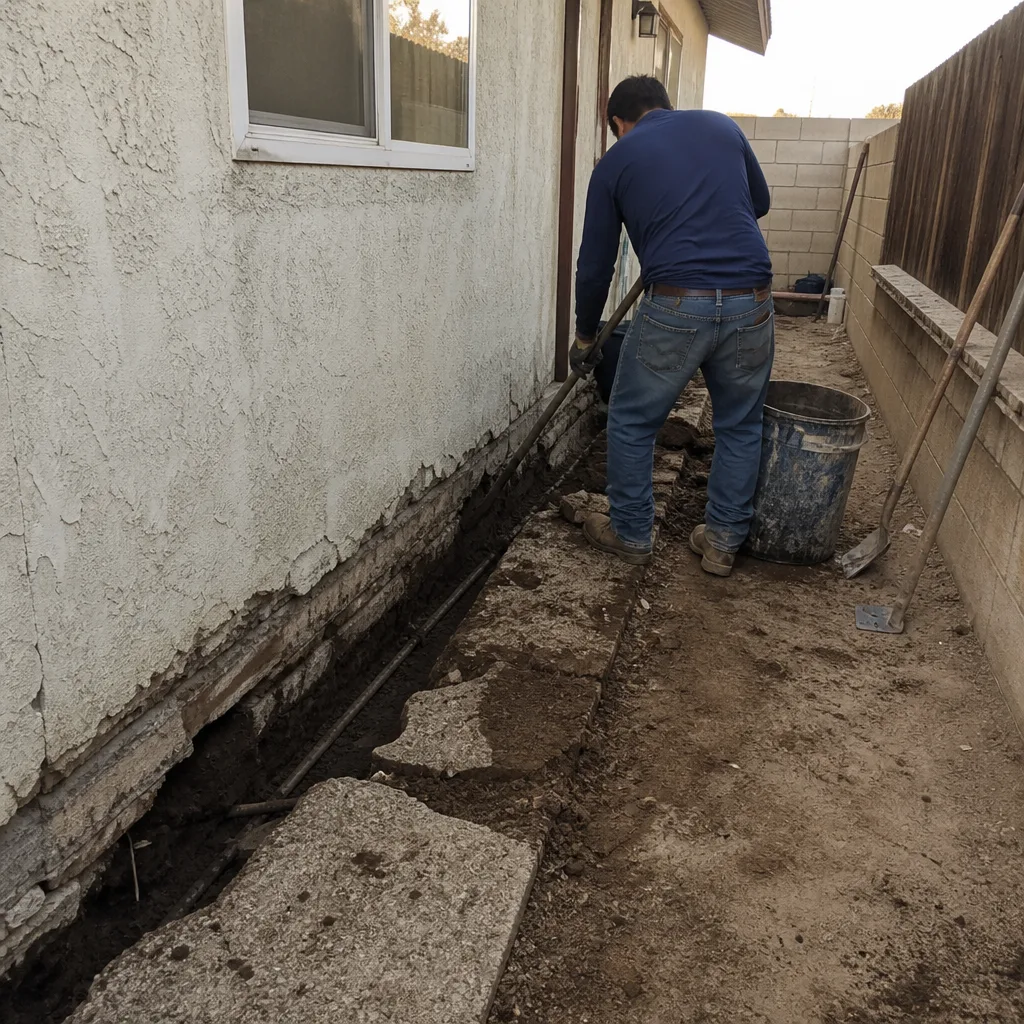 Before
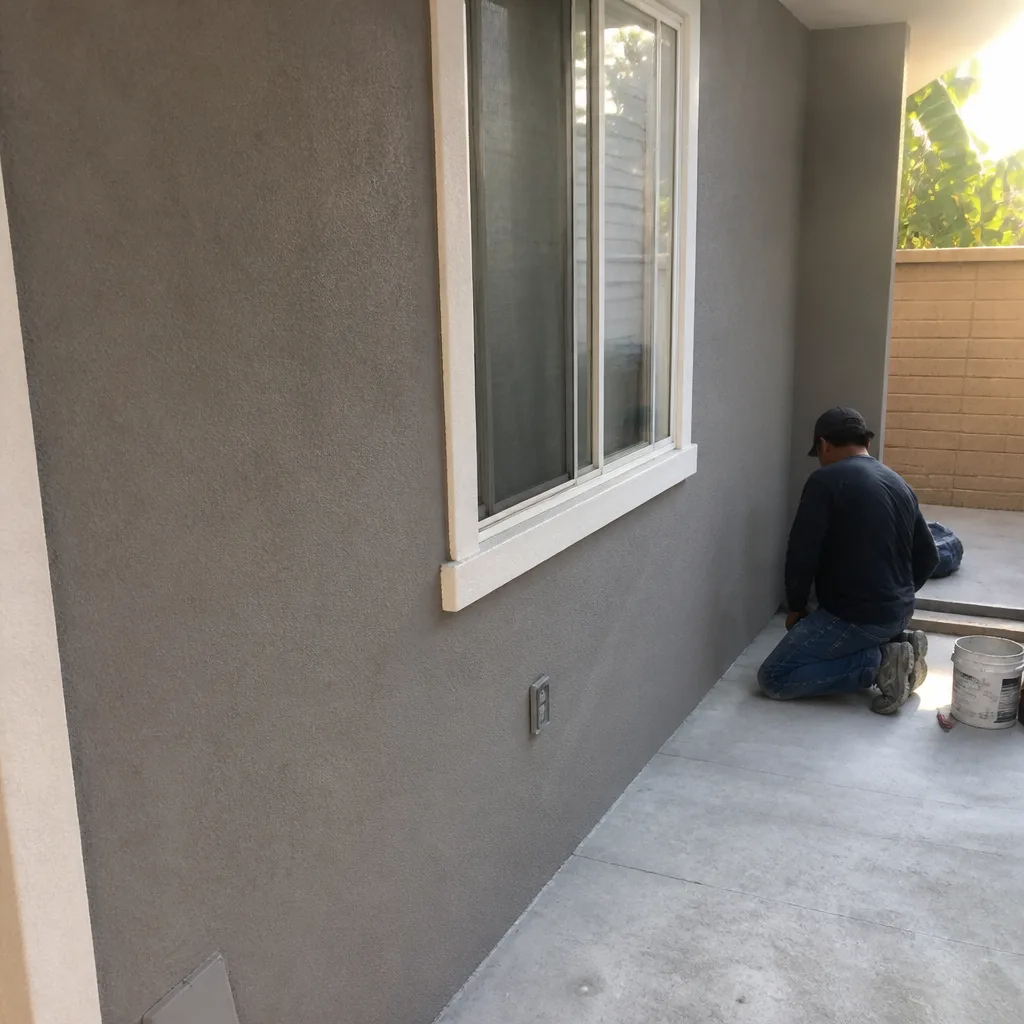 After
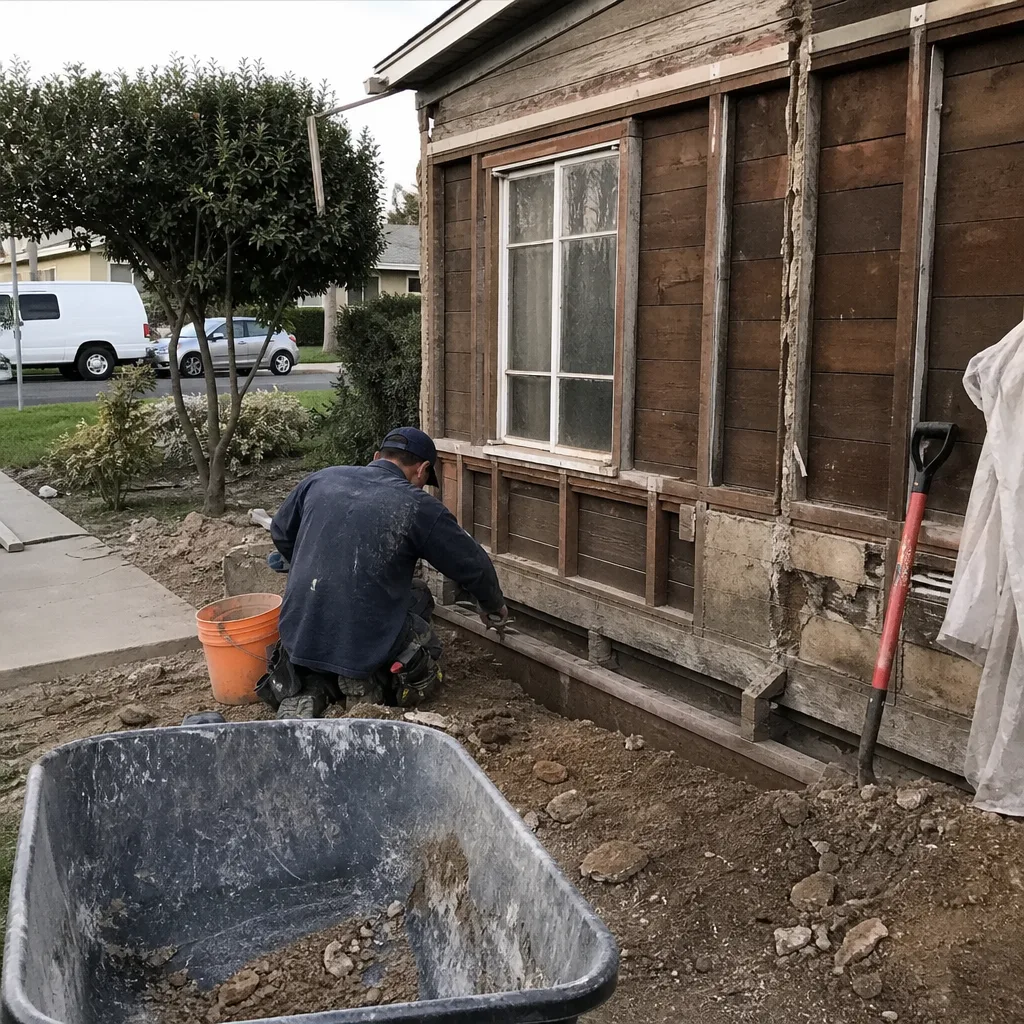 Before
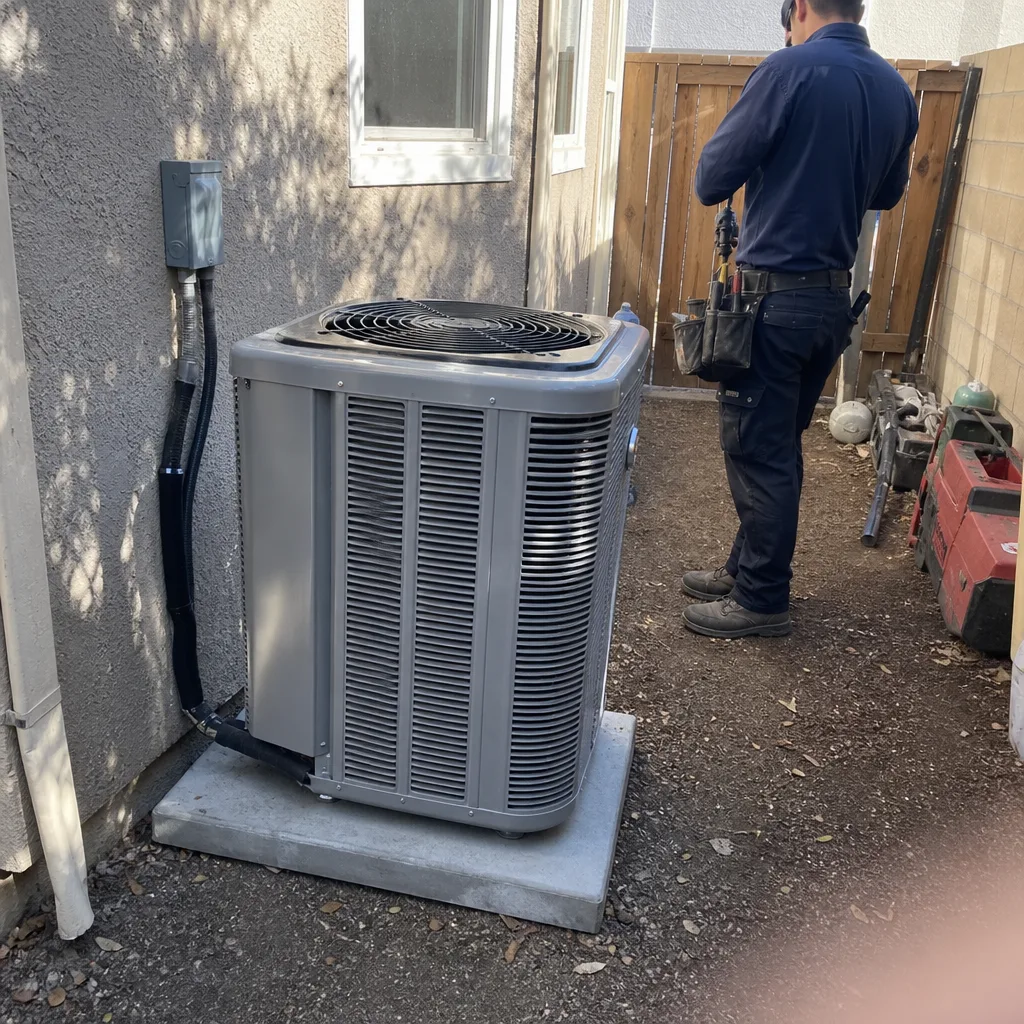 After
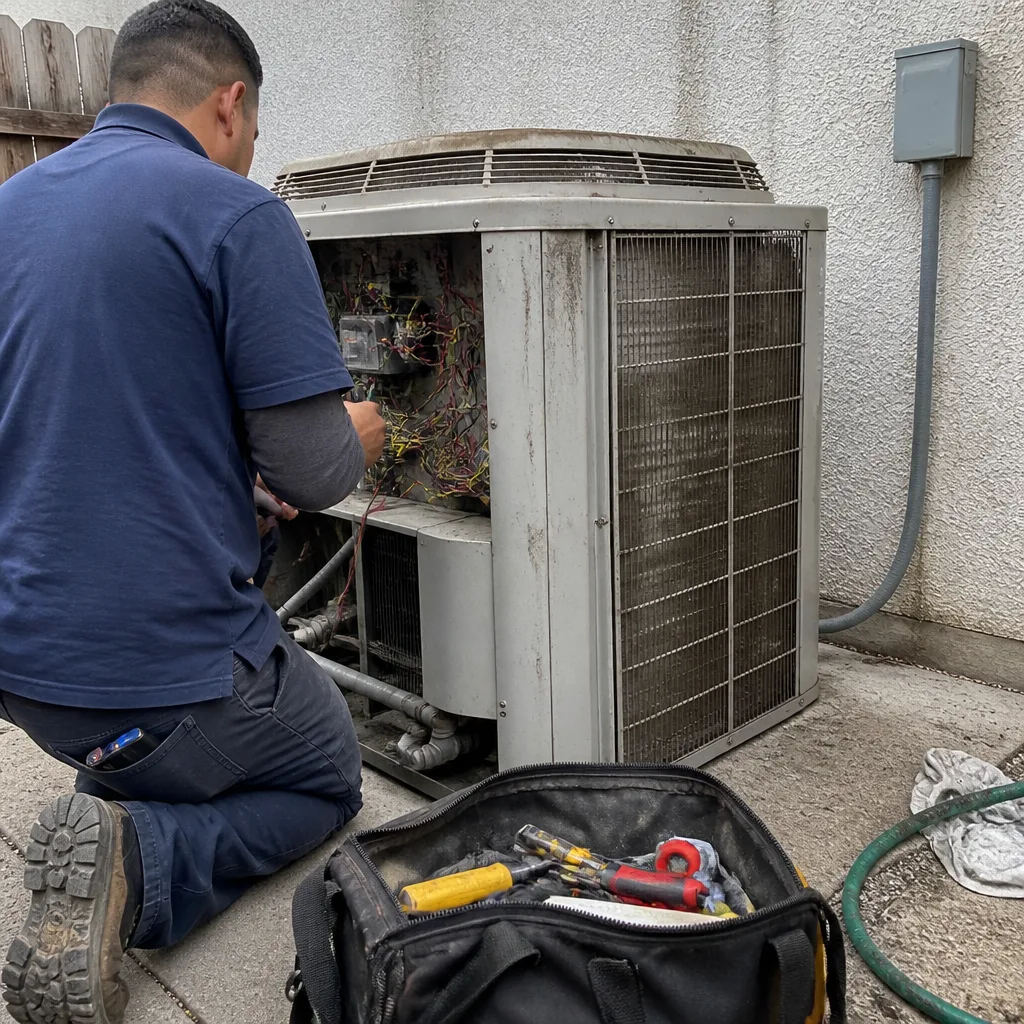 Before
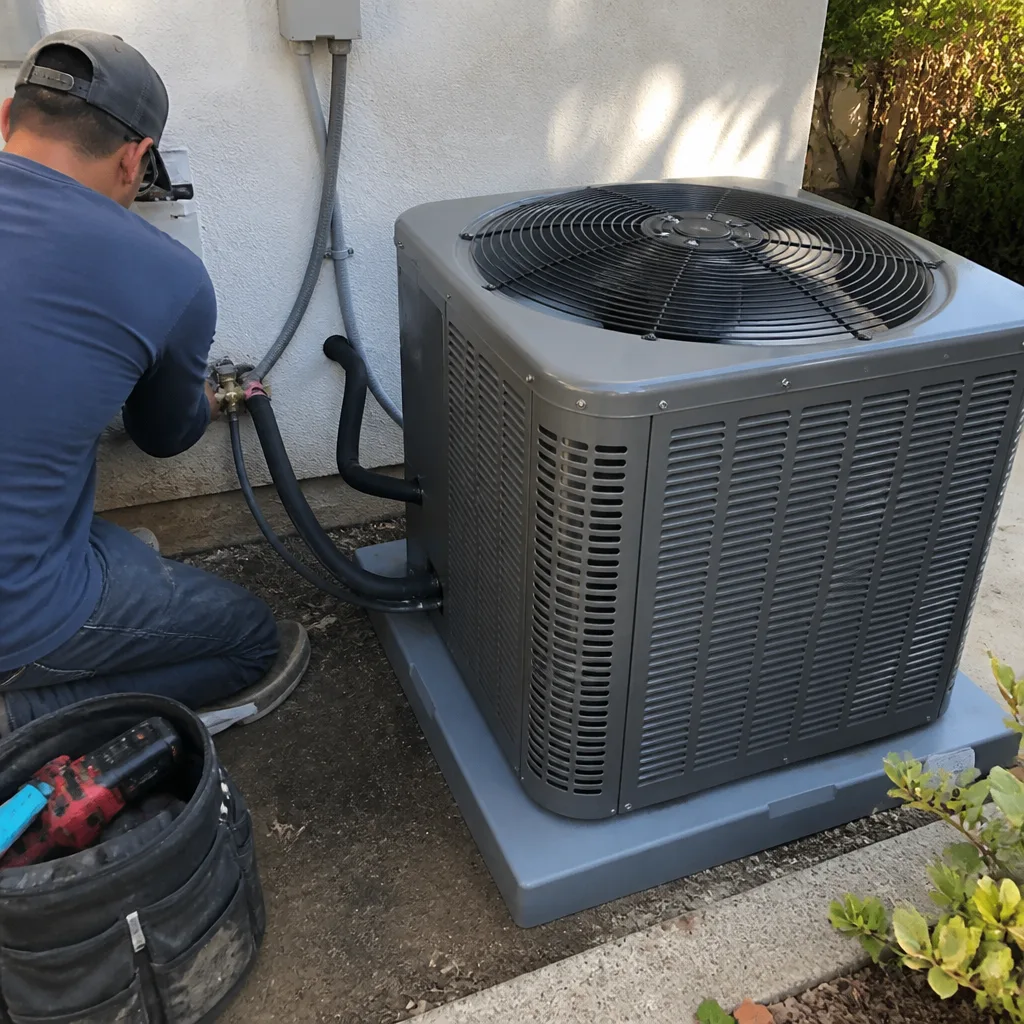 After