
Last updated October 31, 2026
 Home additions & ADU
 Kitchen remodeling
 Bathroom remodeling
 Roofing
 Windows & doors
 Driveway & pavers
 Fence
Free written scope consultation - allowances, timeline, and change-order rules on paper before a single trade is scheduled
Construction Warning Signs: A Westminster Homeowner’s Reference Guide
Here’s a counterintuitive fact we’ve learned after years of walking through Westminster homes: the most dangerous problems are usually the quietest ones. A roof with three missing shingles announces itself. A foundation that’s been shifting for a decade doesn’t. It leaves a hairline crack in the stucco, a door that sticks only in August, a window that’s slightly harder to close than it was last spring. This guide is a frame of reference for Westminster homeowners. It will teach you to read the difference between noise and signal, between a cosmetic blemish and a structural warning. In Westminster specifically, with our expansive clay soils and housing stock that spans from 1950s ranches to 1990s stucco tract homes, the warning signs follow predictable patterns. Once you know them, they’re hard to unsee.
Styles & brands we work with
Quick Answer
The most reliable construction warning signs in Westminster are diagonal cracks at window and door corners that widen over time, stair-step cracks in block or brick walls, musty odors in slab-on-grade homes, and roof sagging visible from the street. Vertical hairline cracks in interior drywall are almost never structural. The rule of thumb: interior drywall cracks are cosmetic until proven otherwise, but exterior stucco cracks, especially diagonal ones originating at openings, deserve a professional look within weeks, not months.
Table of Contents
- The Visual Taxonomy of Cracks: What Each Pattern Tells You
- Water Intrusion Warning Signs in Westminster’s Housing Stock
- Roof Warning Signs You Can See From the Ground
- Electrical and Plumbing Warning Signs in Older Westminster Homes
- Contractor Warning Signs That Mirror Home Warning Signs
- Westminster Soil and Foundation: Why This City Has Specific Challenges
- Warning Signs Specific to Additions and ADU Projects
- Common Mistakes to Avoid
- When to Call a Professional
- Frequently Asked Questions
- The Bottom Line
The Visual Taxonomy of Cracks: What Each Pattern Tells You
Cracks are the most common warning sign in any home, and the most misread. The pattern, location, and direction of a crack tell you far more than its width. A quarter-inch horizontal crack in interior drywall at the ceiling line is usually just tape separation from seasonal humidity swings. A sixteenth-inch diagonal crack through exterior stucco originating from a window corner is something else entirely. Here is the taxonomy we use when evaluating Westminster homes.
Vertical Cracks
Vertical cracks in interior drywall are the most common and least alarming. They typically appear at the seam between two sheets of drywall, often near a doorway or at a corner where framing members meet. Westminster’s clay soil expands during winter rains and contracts during summer dry spells. That movement cycles the framing just enough to pop tape seams. These cracks are cosmetic. They can be repaired and painted with no structural concern. Vertical cracks in a concrete foundation wall, by contrast, can indicate settling. If the crack is wider than 1/8 inch at the top and tapers to a hairline at the bottom, that’s a potential differential settlement issue worth evaluating.
Horizontal Cracks
Horizontal cracks are a different animal. In a concrete block wall or foundation, a horizontal crack with any measurable width suggests inward pressure on the wall, usually from expanding soil or water-saturated ground. Westminster homes built on the city’s western edge, where the soil transitions from sandy loam to clay-heavy deposits, are more prone to this condition after heavy winter rain. In drywall interiors, horizontal cracks at the ceiling line are almost always truss uplift or framing movement, not structural failure. But a horizontal crack that runs through exterior stucco, particularly one you can fit a coin edge into, warrants a foundation specialist’s eyes.
Diagonal Cracks
This is the pattern that separates cosmetic from structural. A diagonal crack originating from the corner of a window or door and running toward the floor or ceiling indicates stress concentration at that opening. In Westminster’s older homes, particularly those built before 1970 with conventional perimeter foundations, diagonal cracks in exterior stucco usually point to minor shear movement. The crack forms because the wall is experiencing tension at a point where the framing is weakest. Diagonal cracks that stay hairline and stable through two full seasons are often tolerable. Diagonal cracks that grow, widen at the bottom, or are accompanied by a door that no longer latches properly are warning signs that deserve a professional assessment within a month.
Stair-Step Cracks
Stair-step cracks appear in brick or concrete block veneer and follow the mortar joints in a staircase pattern. This is the most specific crack pattern in construction because it almost always indicates foundation movement. The wall is shearing. In Westminster, stair-step cracks are most common in block wall fencing, planter walls, and older homes with masonry veneer. A few hairline stair-steps in a garden wall are usually low priority. The same pattern climbing the exterior of an occupied home, particularly if it crosses from the foundation line upward through more than three courses of block, is a structural warning that should not wait. The soil under that corner of the building is moving, and the wall is following it.
Water Intrusion Warning Signs in Westminster’s Housing Stock
Westminster gets roughly 14 inches of rain a year, most of it arriving in a few concentrated winter storms. That means the city’s homes spend most of the year drying out, then get hit with sudden saturation. The warning signs of water intrusion in this climate are specific and predictable. Here is what to look for, by housing type.
Interior Window Condensation Patterns
Condensation on the inside of a window on a cold morning is normal when humidity is high inside the home. But condensation that appears between the two panes of a double-pane window means the seal has failed. The inert gas between the panes has leaked out, and the window’s insulating value is compromised. In Westminster homes built in the 1980s and 1990s, this is one of the most common envelope failures we see. It’s not an emergency, but it is a warning: that window is now conducting heat out and moisture risk in. Condensation that beads on the interior glass surface year-round, not just on cold mornings, suggests interior humidity is too high, which in a well-sealed home points to an exhaust ventilation problem or a hidden moisture source.
Efflorescence on Block Walls
Efflorescence is the white, powdery deposit that appears on concrete block, brick, or stucco. It’s not mold. It’s salt and minerals left behind when water moves through masonry and evaporates at the surface. The key diagnostic question is: where is the water coming from? On a garden wall, efflorescence is usually harmless irrigation overspray evaporation. On the stem wall of your home’s foundation, or on the interior side of a garage block wall, efflorescence means moisture is being drawn up from the soil or pushed through the wall from outside. In Westminster, after a wet winter, take a walk around your foundation line. White staining on the stem wall is a moisture map. It tells you exactly where water sits against your foundation, and where the soil drainage is failing.
Musty Odors in Slab-on-Grade Homes
Westminster has thousands of slab-on-grade homes built in the post-war boom. These homes have no crawlspace, so moisture issues present differently than in pier-and-beam construction. A persistent musty odor in a slab-on-grade home often means one of two things: a plumbing leak in an under-slab waste or supply line, or moisture wicking up through the slab from saturated soil below. The smell is usually location-specific, strongest near a wall base, behind a cabinet, or at the transition between flooring materials. This is not a problem to mask with deodorizers. It’s a warning sign that something below the concrete is wet, and it will not dry out on its own. In our experience walking Westminster homes, musty odors in slab foundations map to older copper supply lines that have begun to fail under the slab, or cast iron waste lines that have corroded through.
Roof Warning Signs You Can See From the Ground
You don’t need a ladder to know when a roof deserves professional attention. Most serious roofing problems announce themselves at ground level long before a leak appears on the ceiling. Here are the ground-level warning signs we teach homeowners to look for in Westminster.
Sagging Ridge Lines and Rafter Lines
Stand at the street and sight down the roof plane against the horizon. A healthy roof line is straight. A roof line that dips or bows between the ridge and the eave indicates either a structural failure in progress or moisture-saturated decking that has lost its rigidity. In Westminster homes with older composition shingle roofs, sagging usually starts at the ridge or at points where the roof plane changes. Once the decking is soft enough to sag visually, the repair is no longer a simple reroof. It’s a structural correction plus a reroof.
Curling, Cupping, and Missing Shingles
Shingles tell the story of their age. Curling at the edges means the asphalt has lost its volatile oils and begun to shrink. Cupping, where the shingle forms a concave depression, means the backing has absorbed moisture. Missing shingles after a Santa Ana wind event are an obvious call for replacement, but scattered missing shingles across multiple roof faces signal a roof that has reached the end of its service life, not a roof that got hit by one bad storm. If you see granule deposits at the base of your downspouts after a rain, that’s asphalt from the shingle surfaces washing off. The roof is shedding its protective layer.
Dark Streaks and Algae Staining
Dark streaks on a roof surface are almost always algae (Gloeocapsa magma) or moss. In Westminster’s coastal-influenced humidity, algae staining is common on north-facing roof planes that don’t get afternoon sun. Algae itself doesn’t destroy shingles, but the moisture it holds against the surface shortens shingle life. More importantly, if algae is thriving on the roof, there’s a moisture retention problem somewhere in the system, usually from overhanging tree limbs that shade the roof and drop organic debris. The fix isn’t a pressure washing. It’s trimming back limbs and considering algae-resistant shingles at the next reroof.
Electrical and Plumbing Warning Signs in Older Westminster Homes
Westminster’s housing stock isn’t uniform. You’ll find 1950s ranches with original galvanized plumbing, 1970s homes with aluminum branch wiring, and 1990s tract builds with polybutylene supply lines. Each era has its own failure modes. These are the signs that point to system-level problems, not isolated incidents, as covered in our General Contractor Troubleshooting: Common Problems and How to Fix Them.
Flickering Under Load
Lights that dim briefly when the microwave starts are usually a nuisance. Lights that flicker or dim significantly when any major appliance cycles, combined with warm outlet covers or a burning smell near the panel, are a system-level electrical problem. In older Westminster homes, we often find undersized service panels (60-amp or 100-amp) that were never upgraded for modern loads. The house was wired for a 1950s appliance profile. Now it’s running central air, an electric dryer, and a kitchen full of countertop appliances. The flickering is the system telling you it’s at its limit. This is not a problem to solve by replacing a breaker. It’s a panel and service upgrade conversation.
Slow Drains in Multiple Fixtures Simultaneously
A slow kitchen drain is a clog. Two slow drains on opposite sides of the house at the same time is a system problem. When multiple fixtures drain slowly at once, especially toilets that gurgle when the washing machine discharges, the problem is almost always in the main drain line. In Westminster’s older neighborhoods with mature trees, root intrusion into clay or cast iron sewer laterals is a leading cause. The tree roots find the pipe, crack it, and grow into the flow. Symptoms start intermittent and become constant. A single slow drain is a snake job. Multiple slow drains are a camera inspection and likely a lateral repair or replacement.
Discolored Water From Hot Taps Only
Rusty or brown water from hot taps but clear water from cold taps points to the water heater tank, not the supply lines. The anode rod has been consumed, and the steel tank interior has begun to corrode. This is a warning sign that the water heater is near the end of its life. If both hot and cold taps run brown, especially after a main line repair or fire hydrant use nearby, the supply lines are the issue, often galvanized steel pipes that are rusting from the inside out. In Westminster, homes built before 1970 that have never been repiped show this symptom most often.
Contractor Warning Signs That Mirror Home Warning Signs
Construction defects announce themselves the same way structural problems do: quietly, early, and in patterns that are easy to dismiss if you don’t know what you’re looking at. Here are the contractor warning signs that mirror the home warning signs above.
Low-Bid Proposals That Skip Line Items
A bid that comes in 30% below the other two bids is not a deal. It’s a proposal with missing line items. The contractor has priced the visible work and left out the invisible work: the permits, the haul-away, the material fasteners, the second coat of paint. The homeowner discovers this halfway through, when the change orders start. In our work as a full-scope General Contractor in Westminster, we’ve seen too many homeowners sign a low bid and then pay more than the mid-range bid would have cost, while losing months to schedule delays. A real bid is detailed enough to compare line by line.
No Permit Mentioned in the Proposal
Any work that affects structure, electrical, plumbing, or the building envelope in Westminster requires a permit. A contractor who proposes work and never mentions permits is either planning to work without them or expecting you to pull them yourself. Both are warning signs. Unpermitted work creates liability for you, complicates a future sale, and frequently results in work that was never inspected, a key consideration in the DIY vs Professional Construction: The Westminster Homeowner’s Decision Guide. A legitimate contractor names the permits in the scope of work and pulls them under their own license.
The “We Can Start Next Week” Promise
Good contractors are booked out. That’s not an inconvenience; it’s a sign of consistent demand. A contractor who can start a significant remodel next week is either not in demand or not being honest about their schedule. In Westminster’s tight labor market, a quality contractor for a kitchen or bath remodel typically schedules 4 to 12 weeks out. The “start next week” promise is the contractor equivalent of a hairline stucco crack at a window corner. It looks like a minor thing, but it usually signals a shortage of ongoing work, and that has a cause.
Brand Names Pushed Without Context
Every contractor has brands they prefer. The warning sign is when a contractor insists on one brand in every category without explaining why it fits your project. The right answer to “why this brand?” is a reason specific to your house and your budget. “This is what we always use” is not a reason. At Square One Builders, we maintain access to 50+ material brands precisely because one brand never fits every project. We specify GAF shingles on a steep-slope roof and consider Tamko on a low-slope re-cover if the budget calls for it. Cambria makes sense for a high-traffic island; Silestone might be the right call for a bathroom vanity. The point is the reason, not the brand name. A contractor who can’t articulate the reason is guessing.
Westminster Soil and Foundation: Why This City Has Specific Challenges
Westminster sits on a geological boundary zone. The city straddles the transition between the older, sandy soils of the coastal plain and the clay-rich soils of the inland valley. That transition creates a specific foundation behavior: differential movement. Different parts of the same lot can have different soil composition, which means different expansion and contraction rates through the same wet-dry cycle.
Here’s what that means in practical terms. A home on the coastal side of Westminster, where soils are sandier and drain faster, experiences less seasonal movement than a home a mile inland, where clay content increases. Clay soil absorbs water and expands by as much as 10% in volume when saturated, then contracts as it dries. That’s not a small amount. It’s enough to lift a foundation corner, rack a door frame, and crack stucco. The pattern repeats every year, and the damage accumulates.
Most Westminster homes with perimeter foundations show some degree of seasonal movement. The question is never “is my foundation moving?” The question is “is the movement within tolerable limits, and is it causing cumulative damage?” A crack that opens and closes through the seasons but stays hairline is usually tolerable. A crack that continues to widen over multiple years, or one that no longer closes during the wet season, indicates that the soil under that corner of the foundation has permanently changed, often from poor drainage that keeps one area saturated while the surrounding soil dries.
The practical takeaway for Westminster homeowners: control the drainage around your foundation. Keep downspouts directed away from the house, maintain positive grade away from the stem wall, and avoid planting water-hungry vegetation directly against the foundation line. The goal is to keep the soil moisture content around the foundation as consistent as possible, year-round. You can’t stop the clay from expanding and contracting. You can stop one side of your foundation from sitting in saturated soil while the other side bakes dry.
Warning Signs Specific to Additions and ADU Projects
Westminster’s ADU regulations have opened up thousands of backyards to accessory dwelling unit construction. New ADU projects, like any new construction, have their own warning signs that appear during the build, not after. These are the signs that a prefab or site-built addition is being poorly executed, and they’re visible during the process if you know what to look for.
Slab Edge Spalling Before the Structure Is Even Up
A newly poured ADU foundation slab should have clean, sharp edges. Spalling, chipping, or crumbling along the slab edge before any weight is on it indicates a concrete mix problem, usually too much water added on site or insufficient curing. Once the structure is framed and sheathed, this defect is hidden. During the pour and the week after, it’s visible. Check it early.
Roof Framing That Doesn’t Line Up at the Ridge
As a Home Remodeling in Westminster contractor that has added bedrooms and ADUs to existing homes, we look at one thing during framing: the continuity of the lines. A roof ridge that wavers, rafters that don’t align, and walls that are out of plumb by more than 1/4 inch over 8 feet are all signs that the framer is working too fast or without proper layout. These deviations get buried under drywall and roofing. They show up later as doors that swing open, tile that cracks, and a roof that doesn’t shed water correctly.
Utility Trenches That Are Backfilled Immediately
New ADUs require new utility runs: water, sewer, electrical, and often gas. After the trench is dug and the lines are laid, the trench should be backfilled and compacted in lifts, not dumped in all at once. If you see a contractor backfilling a trench in one pass and immediately driving over it with equipment, that’s a warning sign. Uncompacted backfill settles, and settled backfill means a sunken trench through your yard or, worse, a broken line where the ground shifted after the project was signed off. This is a detail most homeowners never think to watch, and it’s one of the most common causes of post-ADU yard failures we correct on Home Renovation in Westminster projects.
Square One Builders is authorized to work with prefabricated ADU partners including Abodu, Dvele, Mighty Buildings, and others. Prefab structures shift some of the quality-control work off site, but the site work, foundation, and utility connections still happen in your yard, and they follow the same warning signs as stick-built construction.
Common Mistakes to Avoid
- Ignoring a diagonal stucco crack because it’s “small.” A diagonal crack from a window corner is a stress map, not a cosmetic blemish. Mark the ends with a pencil and the date. If it grows past the marks in six months, it’s time for an evaluation. Ignoring it for two years is how small shear movement becomes a structural repair.
- Repairing a crack without first identifying the cause. Patching a stair-step crack in a block wall without addressing the drainage or soil issue behind it is like painting over a roof leak. The patch will fail, and the underlying problem will have had more time to worsen. Always diagnose first, repair second.
- Assuming a musty smell is “just the house.” Slab-on-grade homes in Westminster should not smell musty. A persistent odor is a moisture signal. Find the source before the source finds your flooring, your cabinetry, and eventually your health.
- Getting a roof “fixed” based on a visual from the ground alone. You can see enough from the ground to know when to call a professional. You cannot see enough from the ground to know the full scope. A roofer who quotes you from the curb without an attic and roof-surface inspection is guessing.
- Treating slow drains with chemicals instead of a camera. Chemical drain cleaners mask symptoms. They can also eat through old cast iron waste lines, turning a root obstruction into a pipe collapse. If multiple drains are slow in Westminster, get a camera in the main line before anything else.
- Signing a contract without line items. A contract that says “kitchen remodel: $45,000” is not a contract. It’s a number. Demand a line-item breakdown: demo, rough-in, drywall, tile, cabinetry, counters, fixtures, paint, cleanup. If the contractor won’t provide it, the change orders are already coming.
- Waiting until spring to check winter damage. Westminster’s wet season does its damage quietly. By the time spring arrives and the soil dries out, cracks have formed and closed. Check your foundation line and stucco during and immediately after the winter rains, when the evidence is fresh and readable.
When to Call a Professional
Some warning signs are observational, and some demand action. Call a professional when a diagonal stucco crack grows past pencil marks in under six months. Call when a stair-step crack climbs more than three block courses on an occupied structure. Call when a roof line sags visibly from the street, when multiple drains slow simultaneously, when the breaker panel smells warm, or when efflorescence appears on the foundation stem wall after winter rains. These are not DIY-triage situations. They’re structural, system-level, or safety-level conditions that need trained eyes and often specialized equipment.
Square One Builders offers free estimates in Westminster – call (877) 688-9930 to schedule a walkthrough. We’re a full-scope general contractor, which means we bring the Square One Builders home standard to every system: framing, foundation, roofing, electrical, plumbing, and finish work under one accountable contract.
Frequently Asked Questions
A crack is likely structural if it’s wider than 1/8 inch, runs diagonally from a window or door corner, appears in exterior stucco or masonry rather than interior drywall, or grows over time. Mark the ends with a pencil and check it monthly. Interior drywall cracks, especially vertical ones at seams, are almost always cosmetic. Call (877) 688-9930 and we’ll walk the property and tell you which you’re dealing with.
Stair-step cracks are caused by differential foundation movement, most often from the expansion and contraction of Westminster’s clay-heavy soils through wet and dry cycles. Poor drainage that keeps one side of a foundation saturated while the other side dries out accelerates the movement. The block follows the foundation, and the mortar joints crack in the stair-step pattern.
Efflorescence itself is just salt deposits and isn’t harmful. What it indicates can be serious: water is moving through your foundation wall. If the efflorescence appears on the interior or on the stem wall after heavy rain, the drainage around your foundation is failing, and that’s worth correcting before the moisture causes bigger problems.
Multiple slow drains at once usually point to a main line obstruction, not individual clogs. In Westminster’s older neighborhoods with mature trees, root intrusion into clay or cast iron sewer laterals is the most common cause. The roots crack the pipe and grow into the flow, eventually causing a full blockage.
A structural inspection in Westminster typically costs between $350 and $700 depending on the scope, whether it’s a single-system evaluation (foundation only) or a whole-home assessment including roof framing and envelope. Square One Builders includes a general structural evaluation as part of our free estimate process. Call (877) 688-9930 to schedule.
Buying a home with known warning signs is not automatically a mistake, but it requires an accurate diagnosis and a realistic repair budget before you commit. A hairline interior crack is no reason to walk away. A growing diagonal stucco crack or a sagging roof line should be professionally evaluated, and the repair cost should factor into your offer. We’ve helped many Westminster buyers assess a home’s condition before purchase, giving them a real repair number instead of a worst-case guess.
The Bottom Line
Construction warning signs fall into two categories: noise and signal. Vertical interior drywall cracks, minor condensation, and single slow drains are noise. Diagonal stucco cracks growing over time, stair-step block cracks, sagging roof lines from the street, and multiple simultaneous plumbing symptoms are signal. The skill is knowing which is which, and the discipline is acting on the signal while it’s still inexpensive to fix. Westminster’s clay soils, older housing stock, and concentrated winter rain create predictable failure modes. Learn to read the patterns. Mark the cracks. Watch them through two seasons. And when something crosses from hairline to structural, call (877) 688-9930 for a free estimate. One contractor, every system, from the ground up.
Written by the team at Square One Builders, serving Westminster since 2014.
See the difference
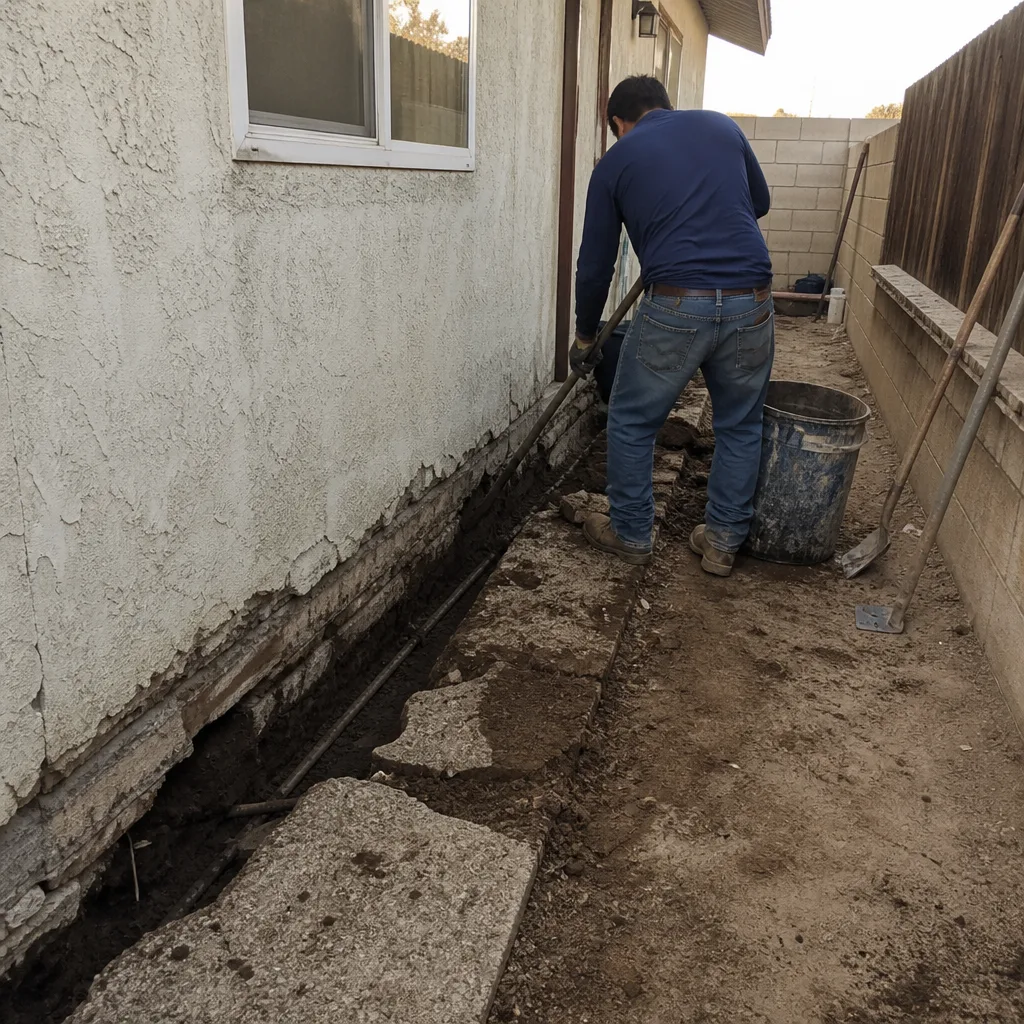 Before
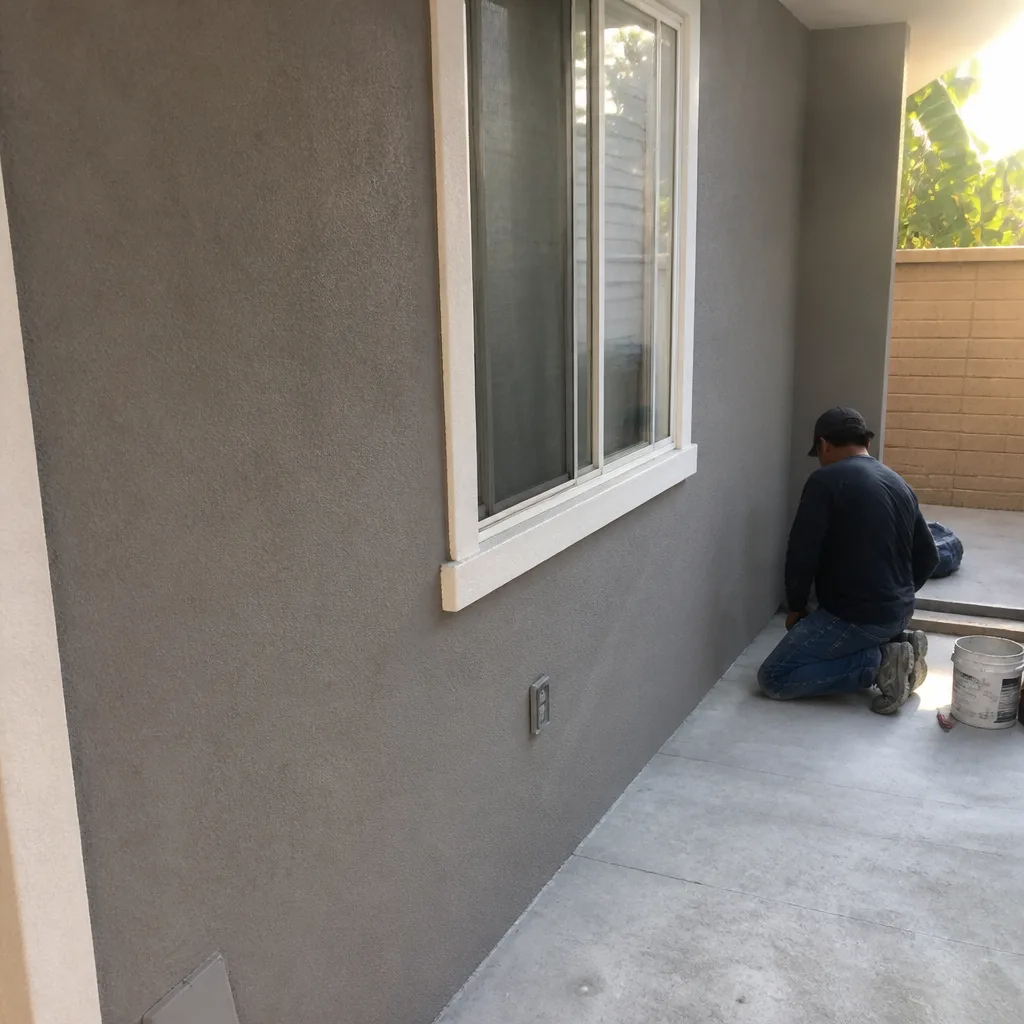 After
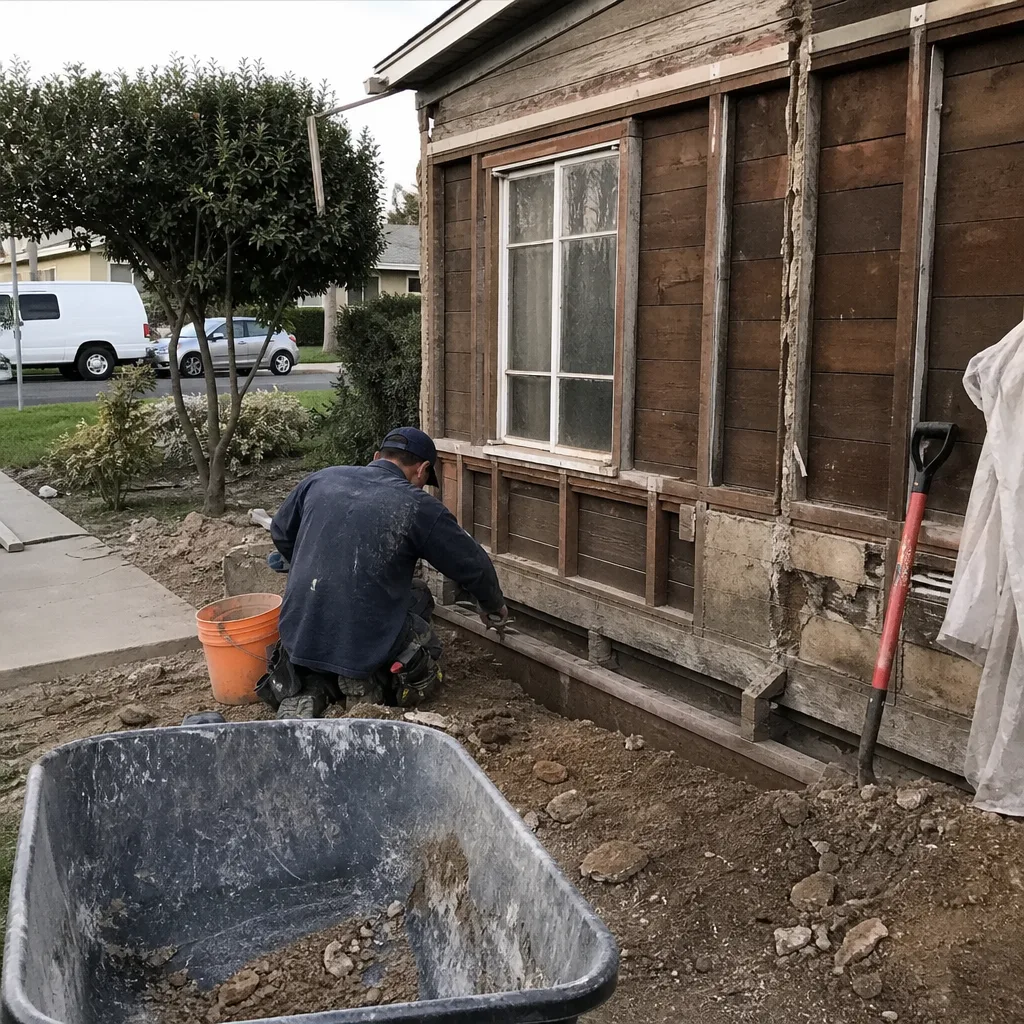 Before
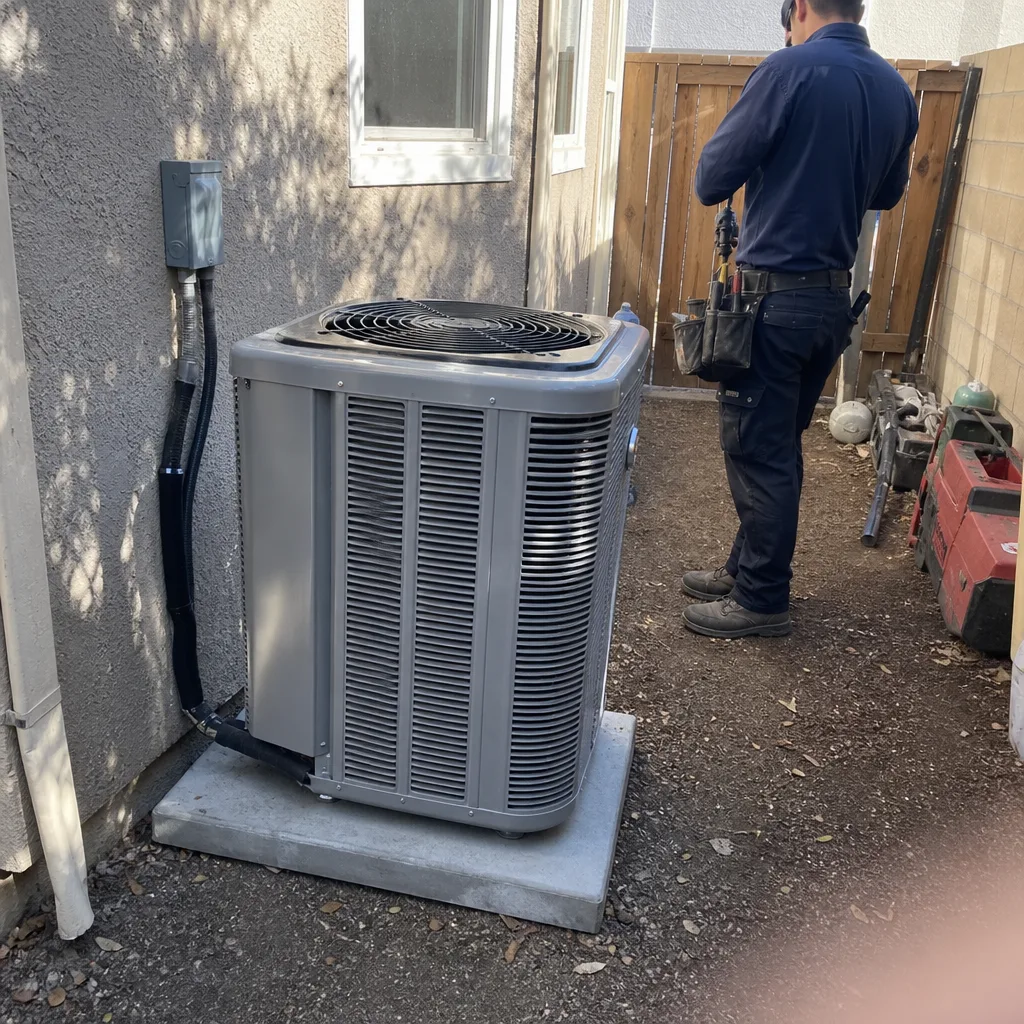 After
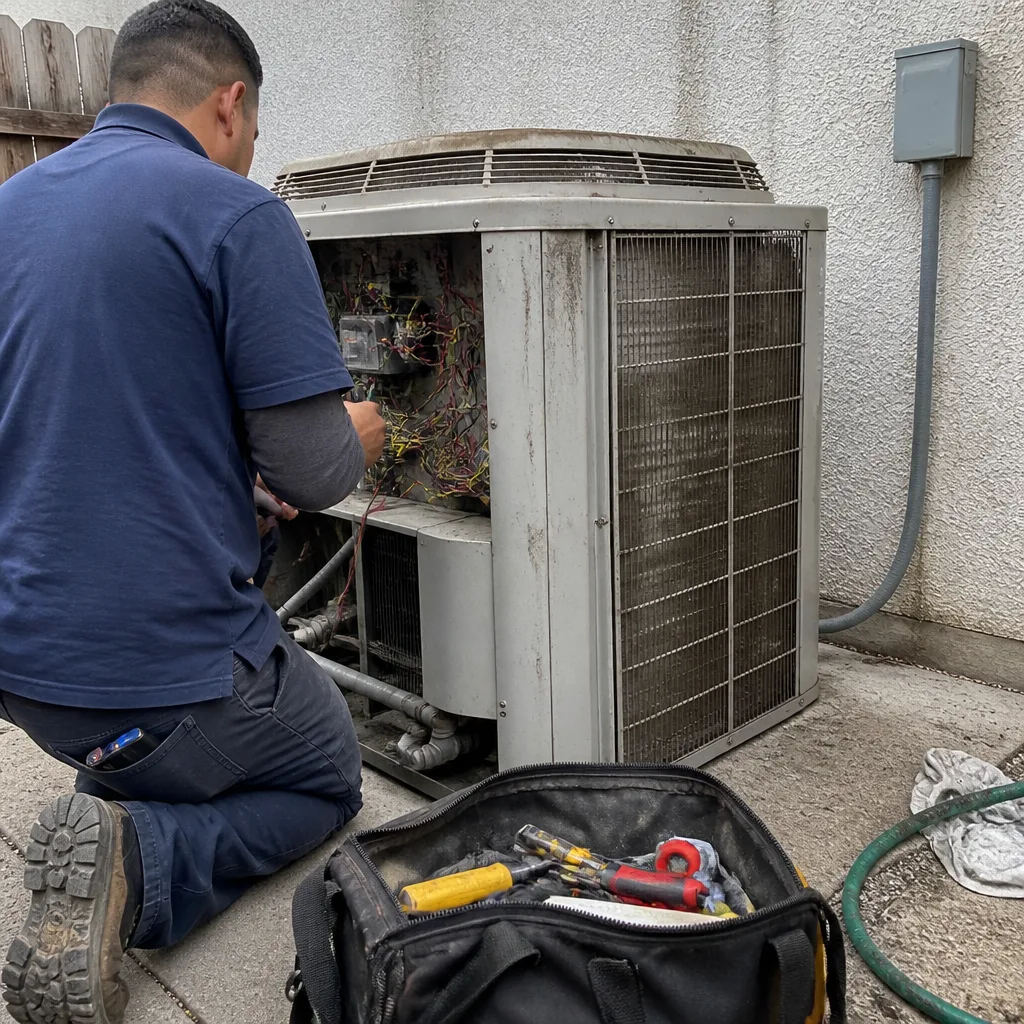 Before
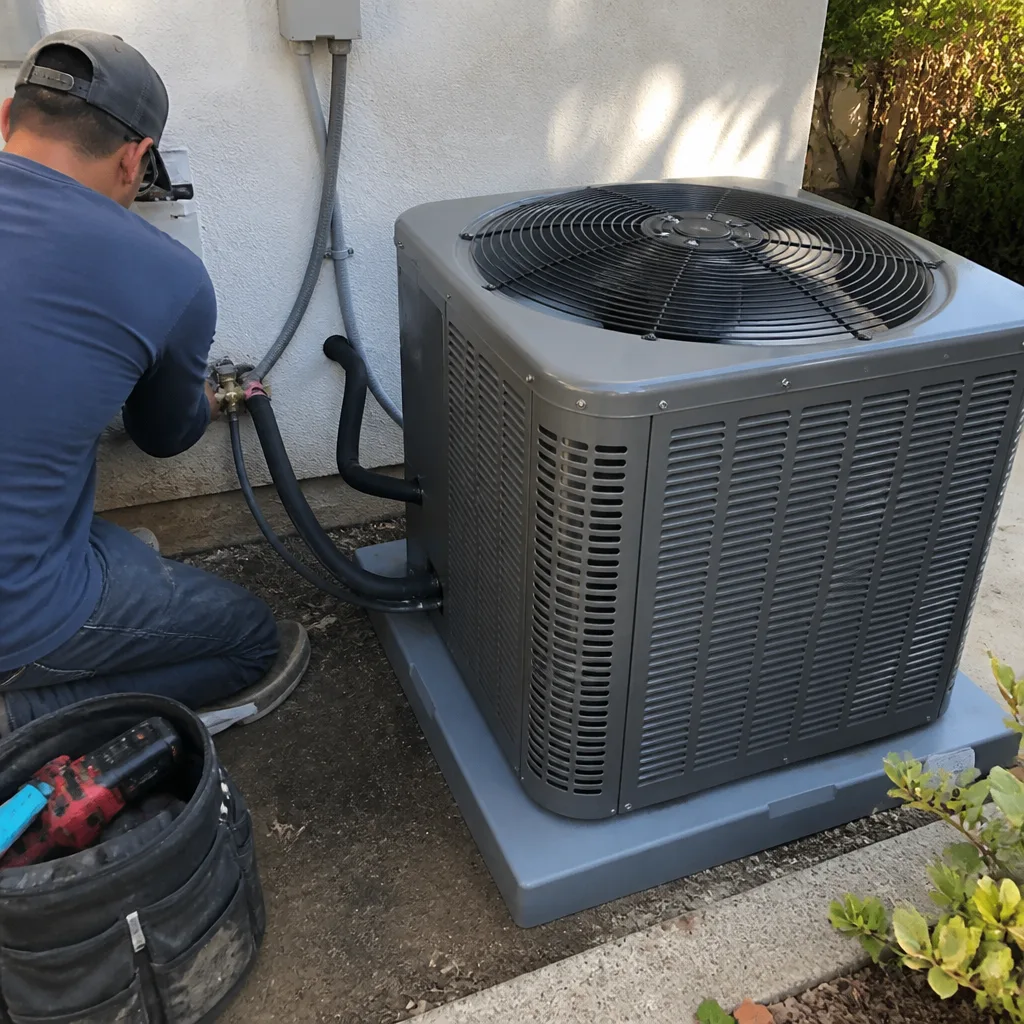 After